
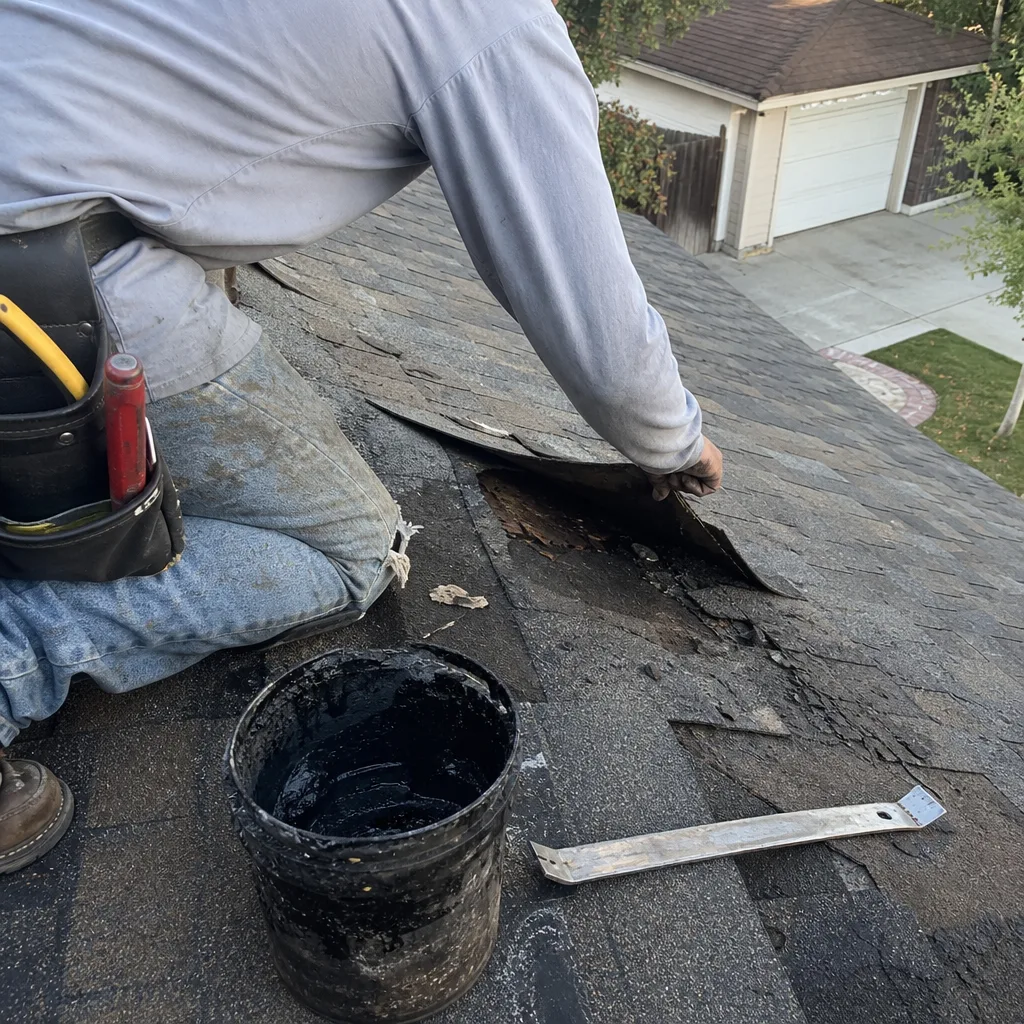
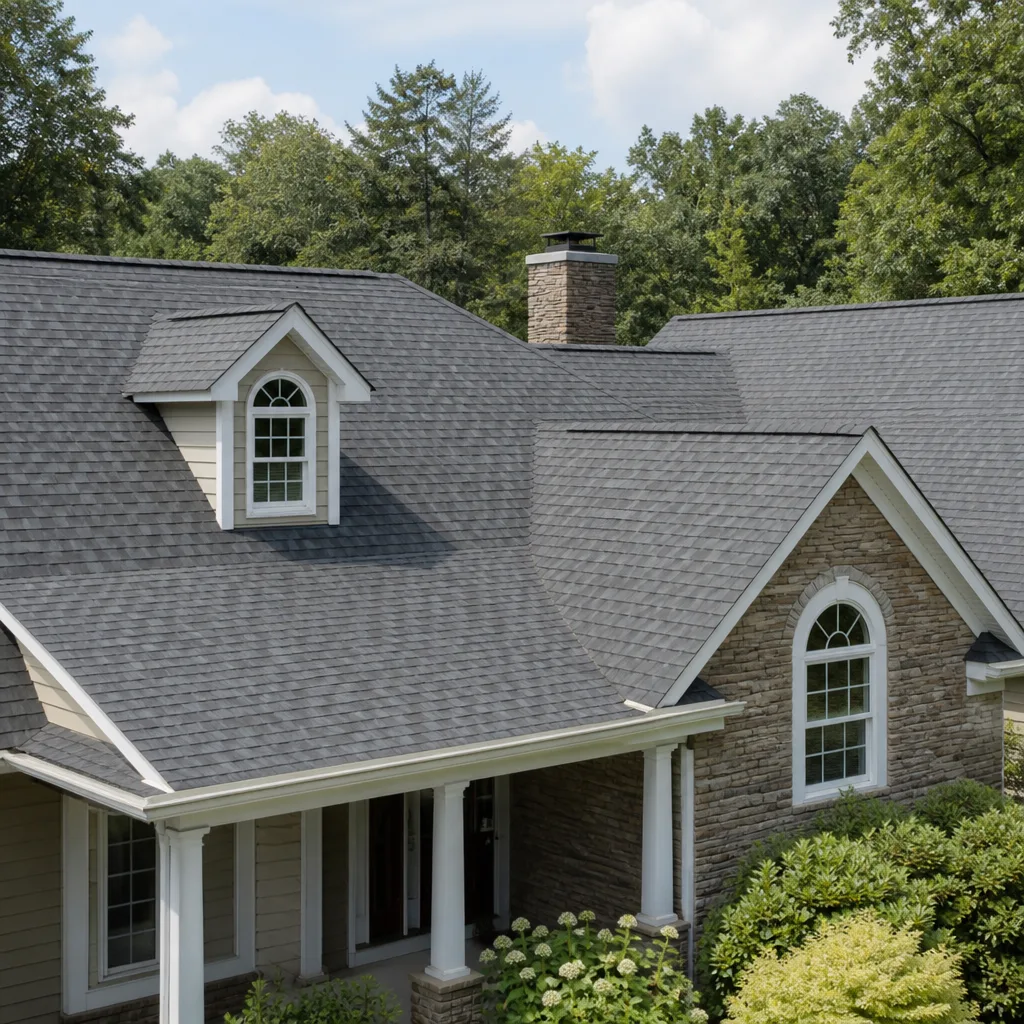
 Architectural shingles
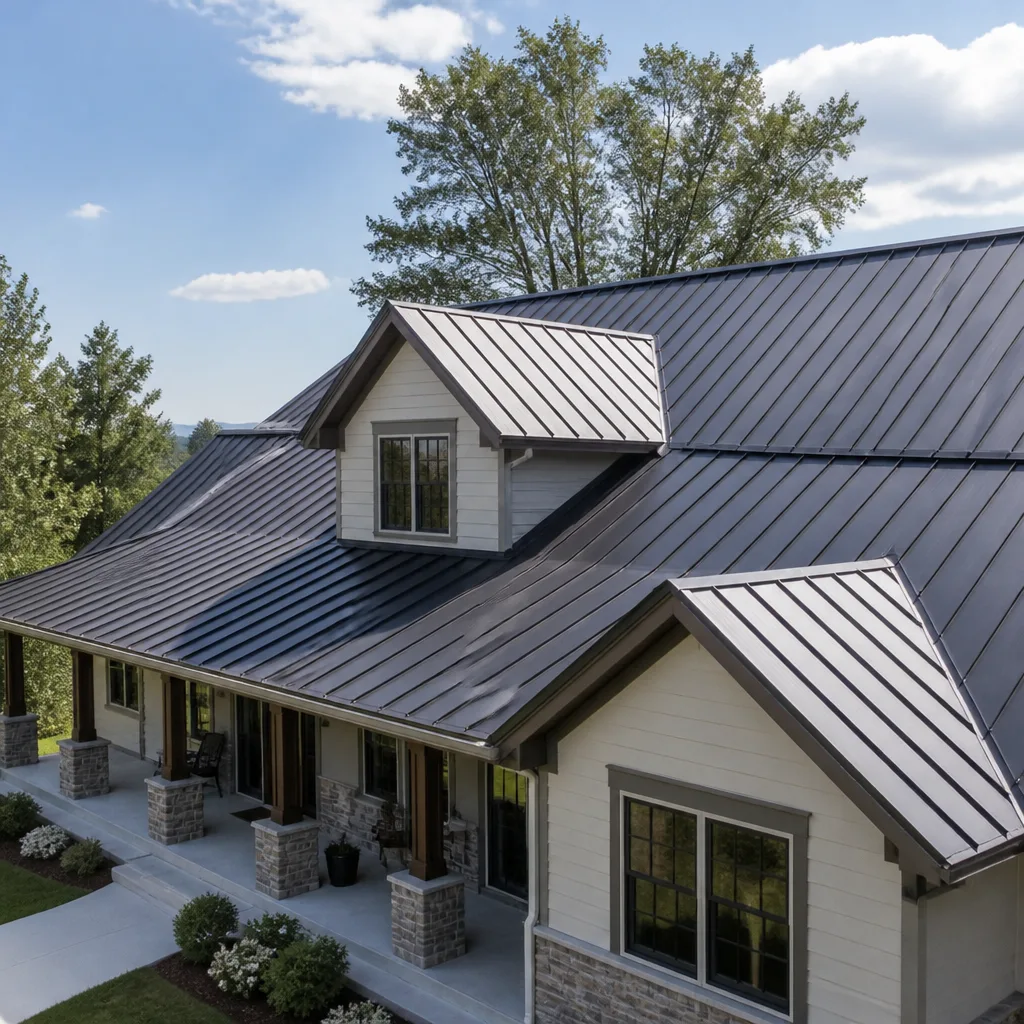 Metal roofing
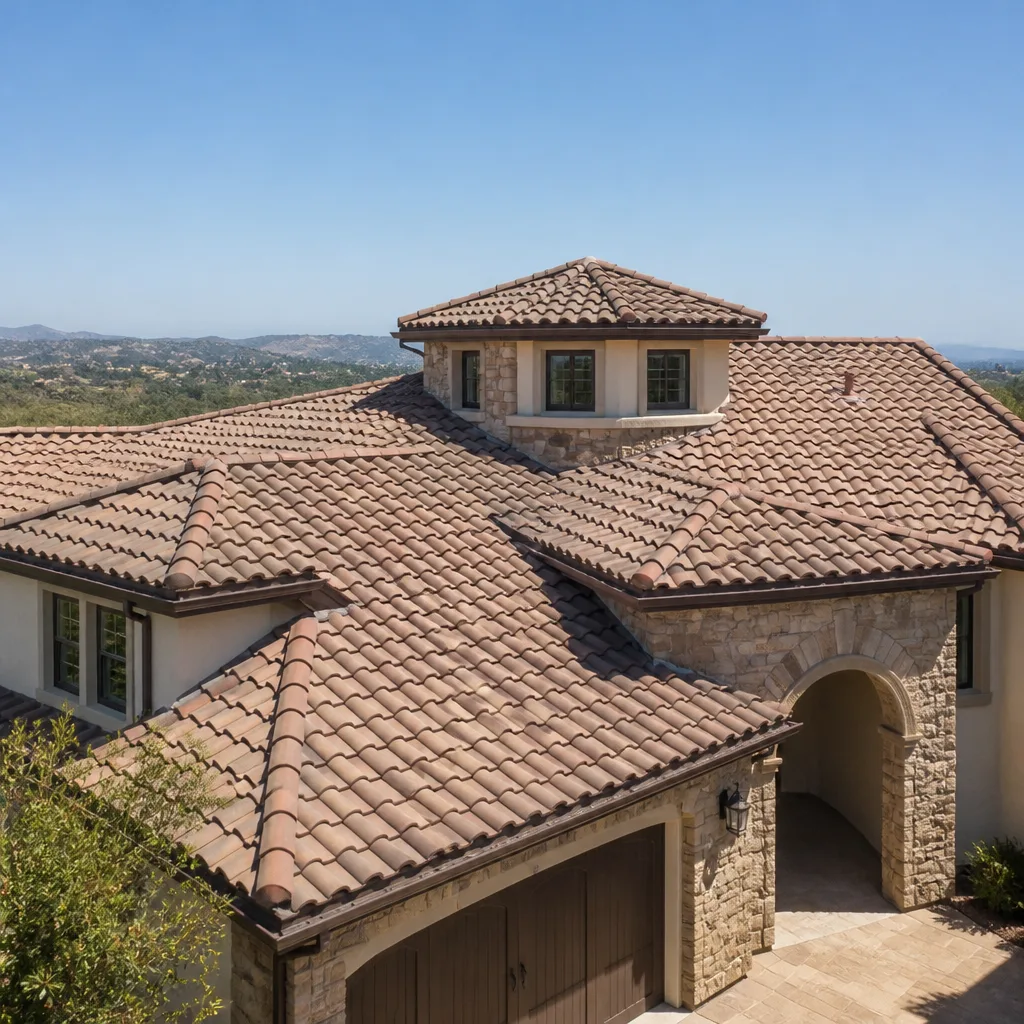 Tile roofing
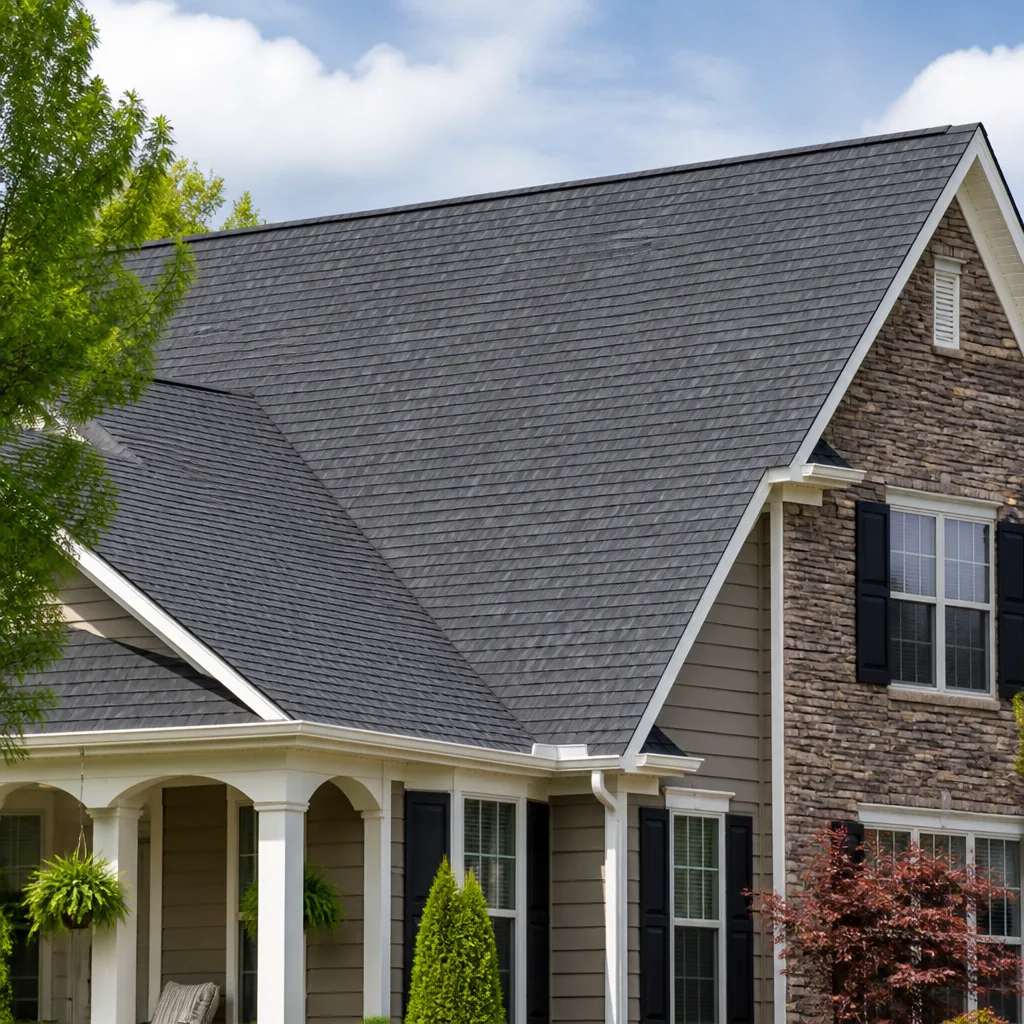 GAF
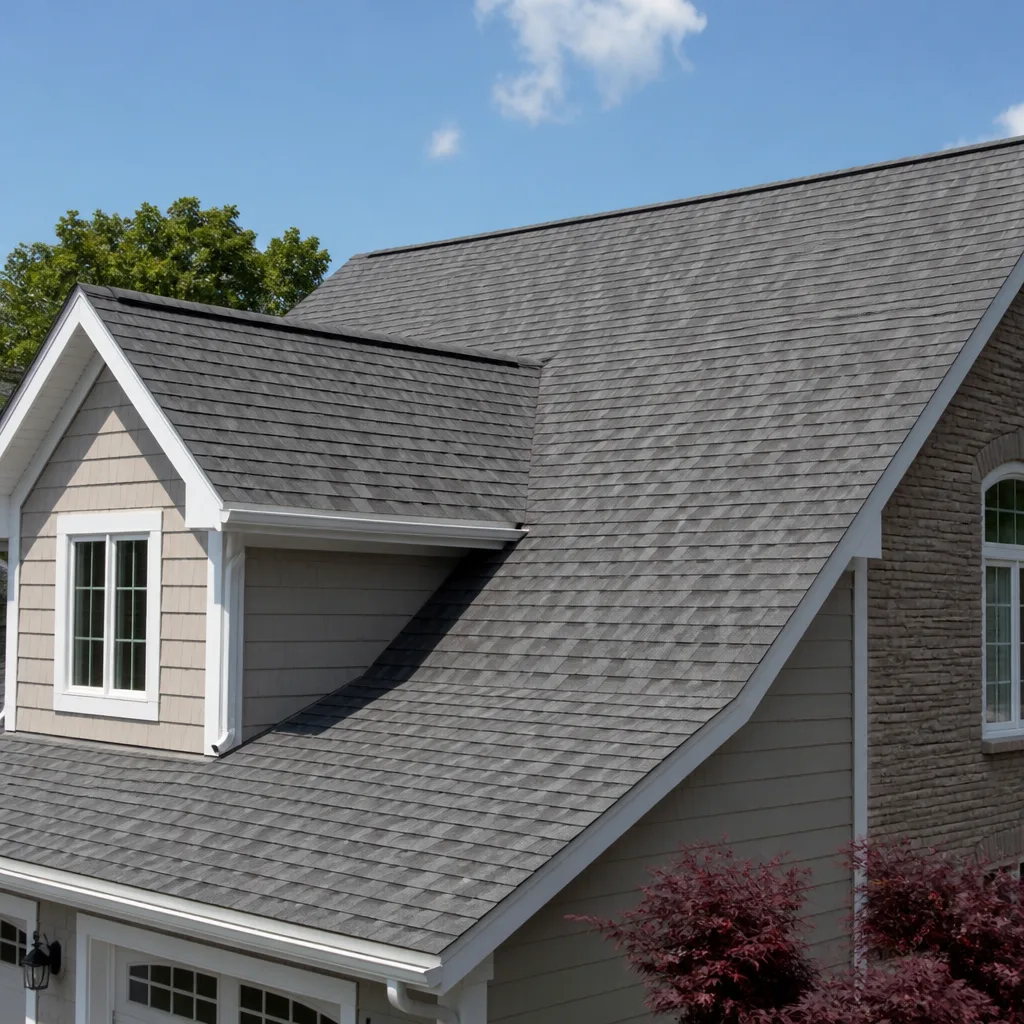 Owens Corning
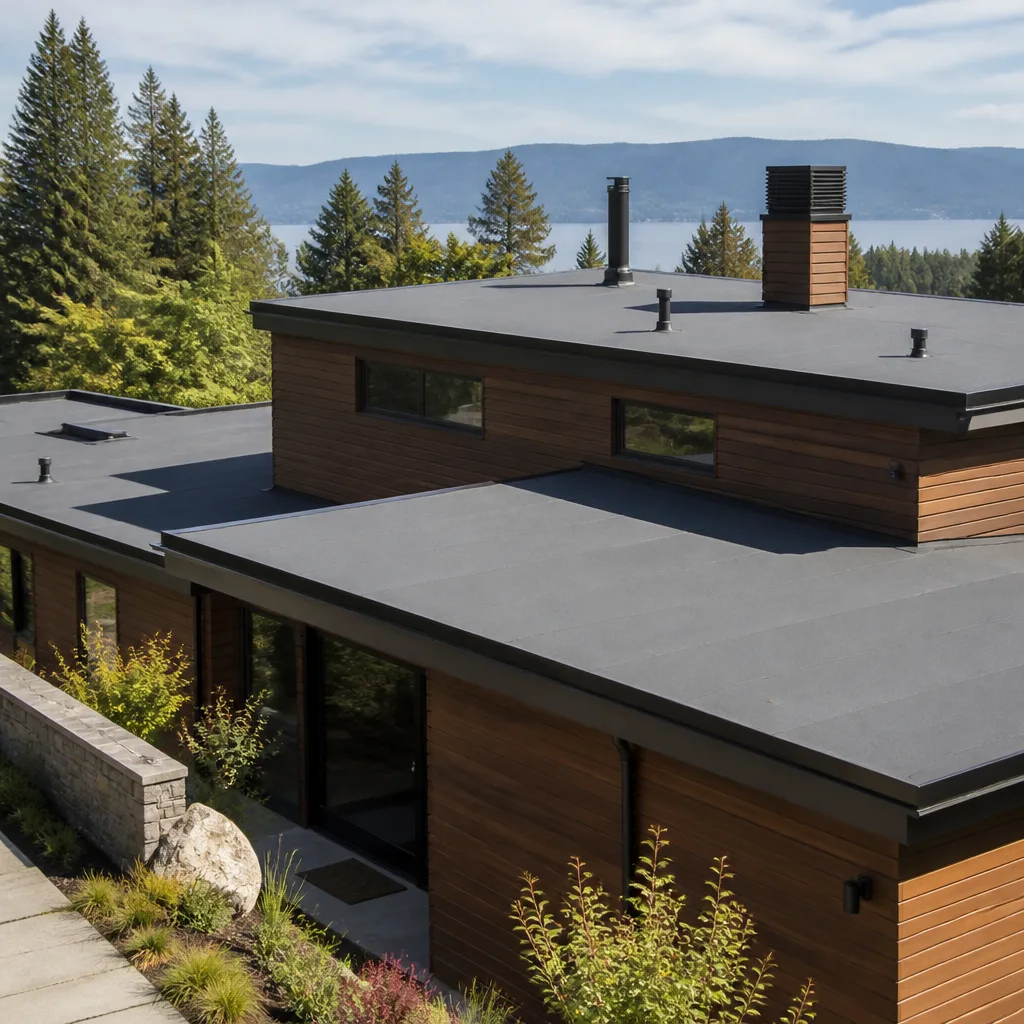 Flat & low-slope
Free roof inspection with deck photos before we talk money - GAF and Owens Corning certified installation
Fast, Reliable Roof Repair Across La Habra
Roof repair in La Habra usually runs between $350 and $2,400 depending on whether you’re dealing with a few lifted tiles, a leak at a valley, or wind-scoured shingles that need section replacement. Most jobs we handle in the 90631 and 90632 zip codes are done in a single day. If you’re calling from the foothill side of town near the Puente Hills or from the flats north of Whittier Boulevard, the issue is rarely a mystery to us. We’ve worked enough roofs in La Habra to know what the Santa Anas do to them. Call (866) 282-5070 and we’ll walk you through what you’re actually looking at before you spend a dollar.
Key Takeaways
- Most roof repairs in La Habra cost $350 to $2,400; full section replacements run higher.
- Santa Ana wind exposure on foothill slopes drives granule loss and lifted tile that flatland homes don’t see.
- We repair first and recommend replacement only when the decking, underlayment, or fastener pattern makes repair a false economy.
- We work with seven manufacturers: GAF, CertainTeed, Owens Corning, IKO, Atlas, Tamko, and Boral, so patches match what’s already on your roof.
How Santa Ana Wind Decides What Your La Habra Roof Needs
Tile and shingle roofs on La Habra’s windward foothill slopes get their granules scoured off and tile edges lifted by Santa Ana wind events, so repairs here hinge on wind-rated fastening and re-securing, while inland heat and UV, not rain, drive the dry-rot and thermal-cycling calls that make up most of our work. That sentence is the whole game on this side of Orange County. If you live up against the Puente Hills, the west-facing and north-facing slopes of your roof take a beating that the leeward side never sees. We’ll tell you what it actually needs, even when that means a $600 fastener repair instead of a $20,000 re-roof.
Homes along the foothill edges near the Puente Hills often show wind-scoured granules on the windward slope and lifted tile edges after Santa Ana events. It’s a pattern you don’t get in flatland neighboring cities like Fullerton or La Mirada, where the wind has room to spread out. In La Habra, the hills channel it. That’s why we spec hot-dip galvanized fasteners when we re-secure tile, and why we won’t re-nail with standard hardware on a windward slope. A cheap patch that uses standard nails fails again next season. We’d rather do it once.
On a 1960s concrete-tile ranch house up against the Puente Hills foothill edge, our crew found the windward slope stripped of granules and several field tiles lifted after a Santa Ana event, with the original skip sheathing showing dry-rot under minimal underlayment. We pulled the lifted tile, replaced the rotted decking boards, laid down ice and water shield at the valleys and penetrations, and re-set the tile with hot-dip galvanized fasteners so the wind-rated hold would actually survive the next wind event. That’s the difference between patching La Habra and repairing La Habra.
Styles & brands we work with
Why Buena Park Roof Repair Is La Habra’s Preferred Roof Repair Company
We’re a roofing specialist, not a general contractor dabbling in roofing. Our whole business is three services: Roof Repair, roof replacement, and roof inspection. That focus means our crews know exactly what to look for when they climb onto a 1950s tract home in La Habra with skip sheathing, or a 1970s concrete tile roof with the original fasteners still holding on. Rick Dunnigan built this company around a repair-first mindset. When you call us out to a home in La Habra, the question isn’t “how fast can we sell a re-roof.” The question is whether what you have left is worth holding onto.
We serve all of La Habra, from the hillside streets above West Road to the older subdivisions around Euclid Street and Imperial Highway. That coverage matters because the microclimate changes block to block here. A roof on the east side of town doesn’t fail the same way a roof on the west-facing foothill slope does. We keep that in mind on every inspection and every scope we write. La Habra homeowners call us because they want an honest condition report before committing to any work. Choose your material, not ours. Repair when possible, replace when necessary.
How Much Does Roof Repair Cost in La Habra, CA?
Here’s what we actually see on La Habra invoices. A small leak at a pipe boot or vent runs $350 to $600. Flashing repair at a chimney or valley in La Habra typically lands between $500 and $1,200 depending on whether the flashing is step, counter, or wall flashing, and how much has to be pulled to get a clean seal. Shingle replacement for a wind-scoured section of a roof in the 90633 foothill area runs $800 to $2,400 depending on square footage, the shingle brand, and how much decking underneath needs attention. A flat roof patch, which we do on the mid-century and ranch additions around La Habra, runs $600 to $1,800. If the decking is rotted from years of thermal cycling and minimal underlayment, that’s where the number climbs. We give written line-item quotes. Call (866) 282-5070 for an exact number on your roof.
| Repair Type | Typical La Habra Range |
|---|---|
| Vent boot or pipe collar replacement | $350 – $600 |
| Flashing repair (chimney, valley, wall) | $500 – $1,200 |
| Shingle section replacement (wind-scoured) | $800 – $2,400 |
| Flat roof patch | $600 – $1,800 |
| Tile re-securing with wind-rated fasteners | $450 – $1,500 |
We don’t pad these numbers, and we don’t refuse to quote a repair because we’d rather sell a full replacement. The estimate is free, and it comes with a written scope so you can compare it apples-to-apples against any other La Habra roofer.
Emergency Roof Repair in La Habra
Emergency Roof Repair in La Habra usually means a Santa Ana event just tore a ridge cap loose, or a tree limb from a hillside property came down on a section of tile, or a leak opened up in a bedroom ceiling during the first real rain. When that happens, the priority is a fast dry-in, not a full scope. We tarp, we secure, we stop the water. Then we give you a written repair plan. The economics don’t change because it’s an emergency, but the priority does. A temporary dry-in on a La Habra home runs $400 to $800 depending on roof size and access. The permanent repair is quoted separately, and we walk you through what’s urgent and what can wait.
What We Do First
Secure the breach. On a tile roof, that means removing broken or lifted tile, checking the fasteners on the surrounding field, and laying down a weather barrier that will hold until we can rebuild the section properly. If the decking is exposed and wet, we mark it for replacement rather than hiding it under a patch. Moisture trapped under skip sheathing is a slow failure. We’d rather tell you the truth.

After the Dry-In
Our crews photograph everything. You get a written scope with line items, material brand, and the wind-rated fastening we’ll use when we re-set tile or shingles. No surprise change orders. If the decking is worse than it looked from the ground, we’ll stop, show you photos, and get your sign-off before going further. That’s how we handle every emergency roof repair in La Habra.
Flat Roof Repair in La Habra
Flat Roof Repair in La Habra comes up most often on the ranch additions and carport roofs built onto 1950s and 1960s tract homes. These low-slope roofs bake in the inland heat all summer. UV exposure dries out the membrane, and thermal cycling opens seams that let water pool in exactly the wrong places. The repair usually involves cutting out the failed section, patching with a compatible membrane, and re-sealing the seams and flashings. A typical flat roof patch in the 90631 and 90632 zip codes costs $600 to $1,800, and the biggest variable is whether the underlying insulation board or plywood has already absorbed water. If it has, the repair price climbs because that material has to come out. You can’t patch over wet substrate and expect it to hold.
Seam Failure We See Often
On older torch-down and modified bitumen roofs around La Habra, the seams where the roof meets a parapet wall or a chimney are the first to fail. Years of heat expansion and contraction pull the membrane away from the flashing. We strip the failed lap, prime the surface, and install a new reinforced patch that moves with the roof. If the rest of the roof is sound, this is a $700 to $1,200 fix.
Ponding Water and What It Hides
Inland La Habra heat dries ponds fast, so homeowners often think a little standing water is harmless. It isn’t. The thermal cycling under that pond breaks down the membrane from the inside. We check for soft spots under any ponding area before we quote a patch. If the decking has rotted under a pond on a flat section, we’ll tell you and show you. Repair when possible, replace when necessary.
See the difference
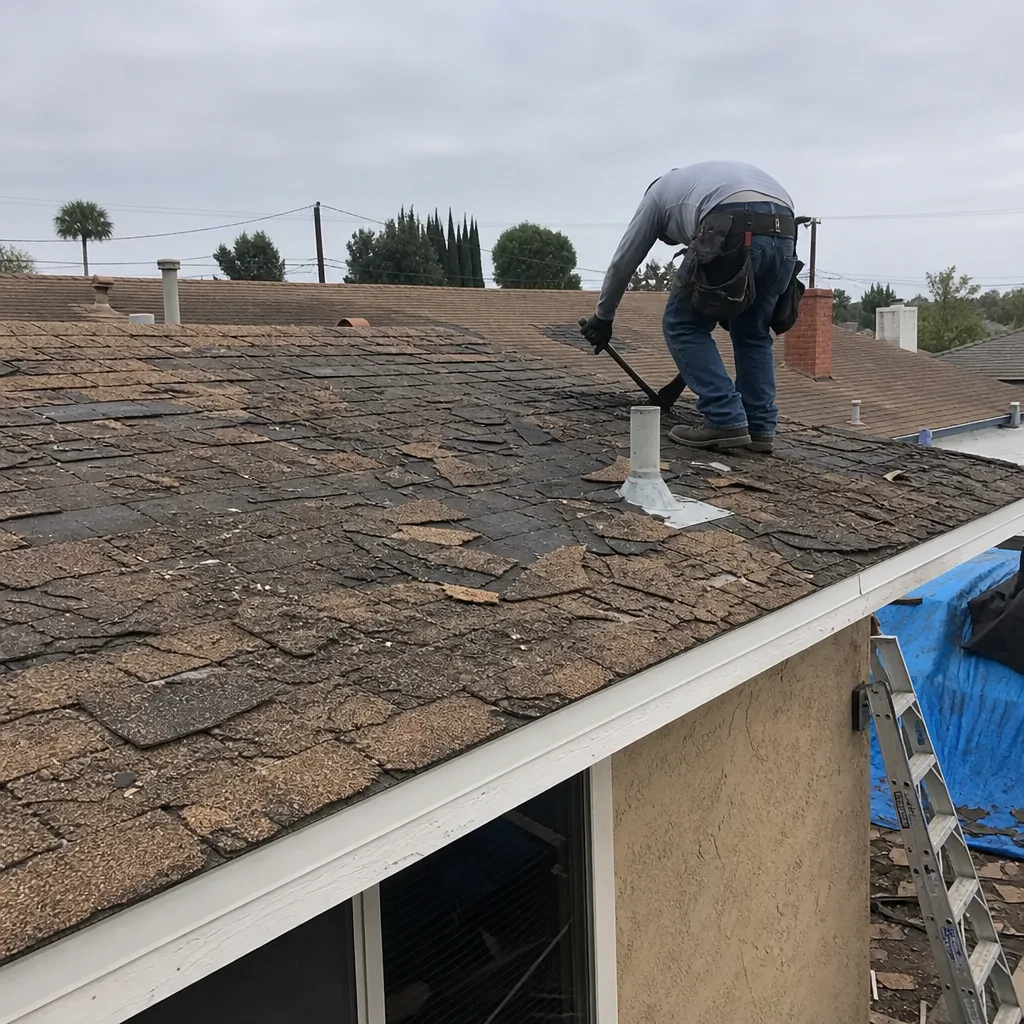 Before
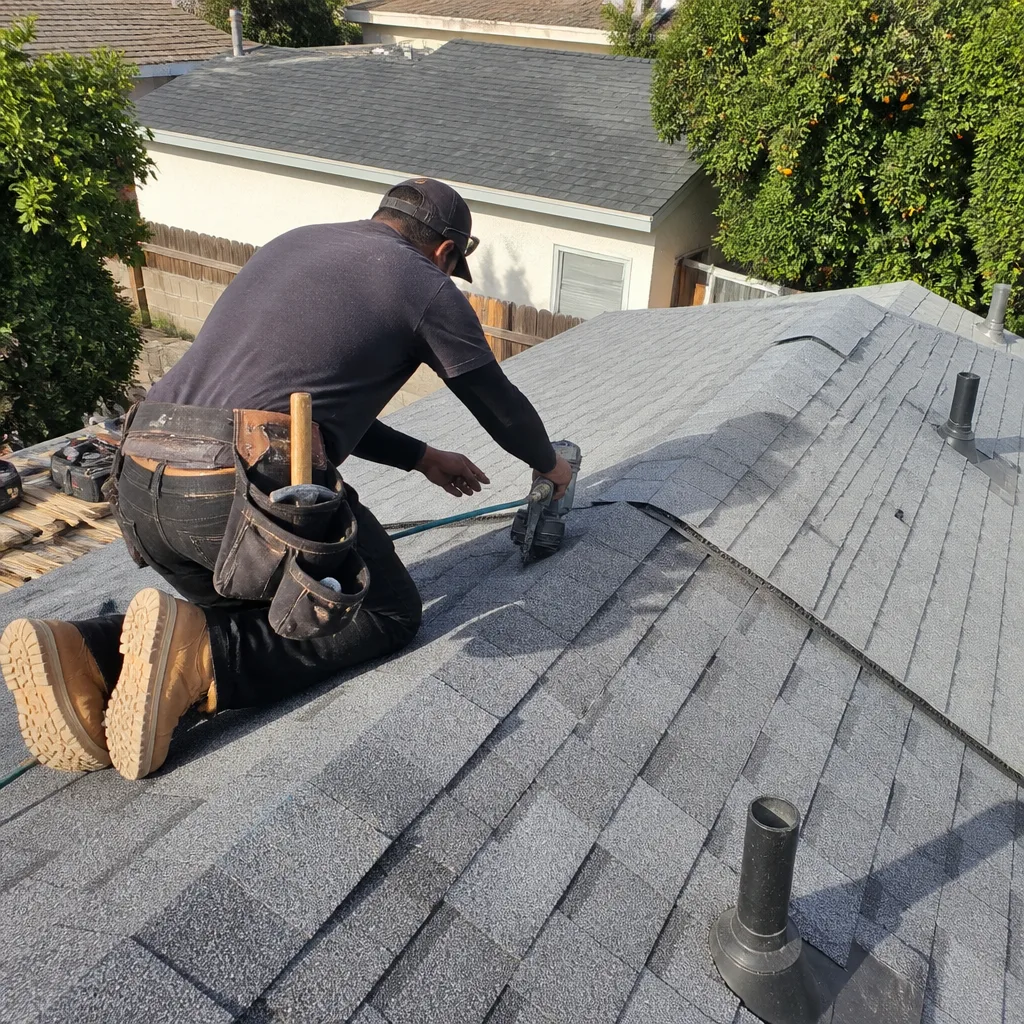 After
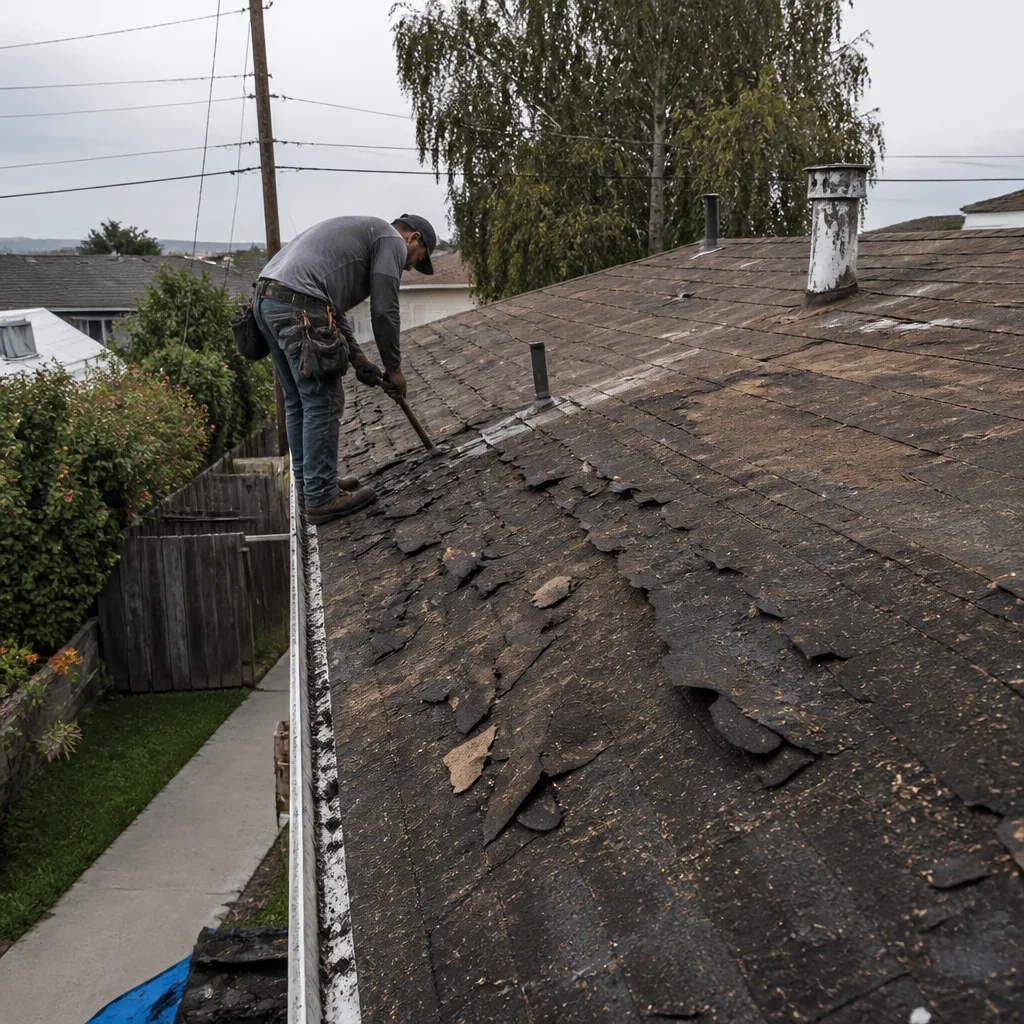 Before
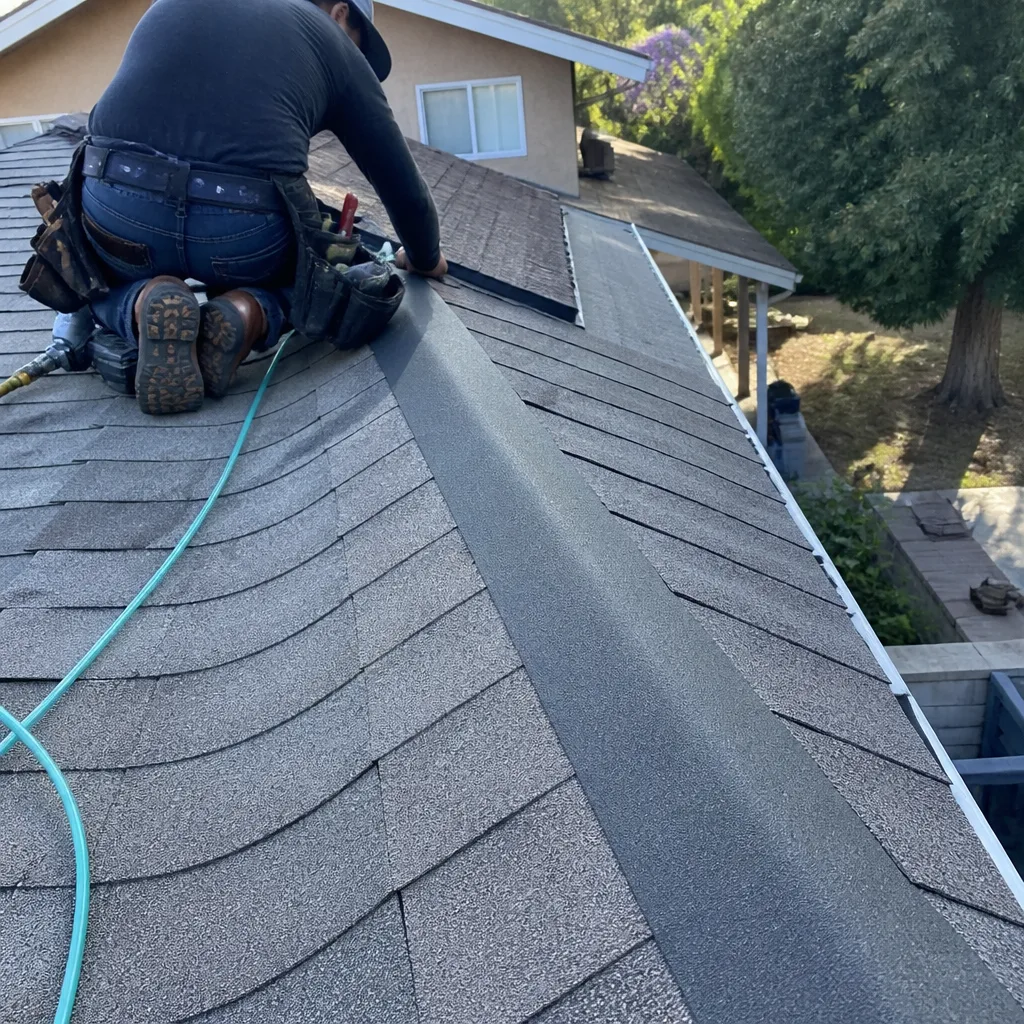 After
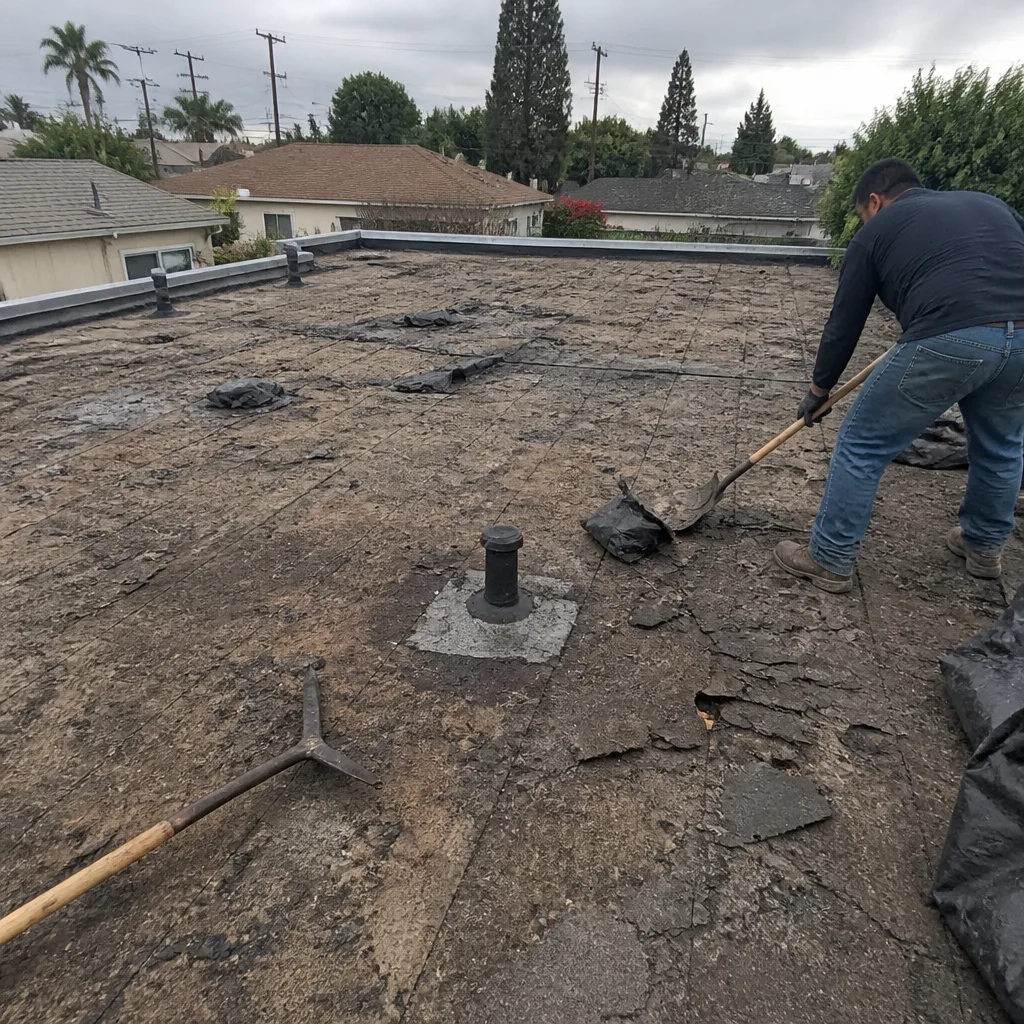 Before
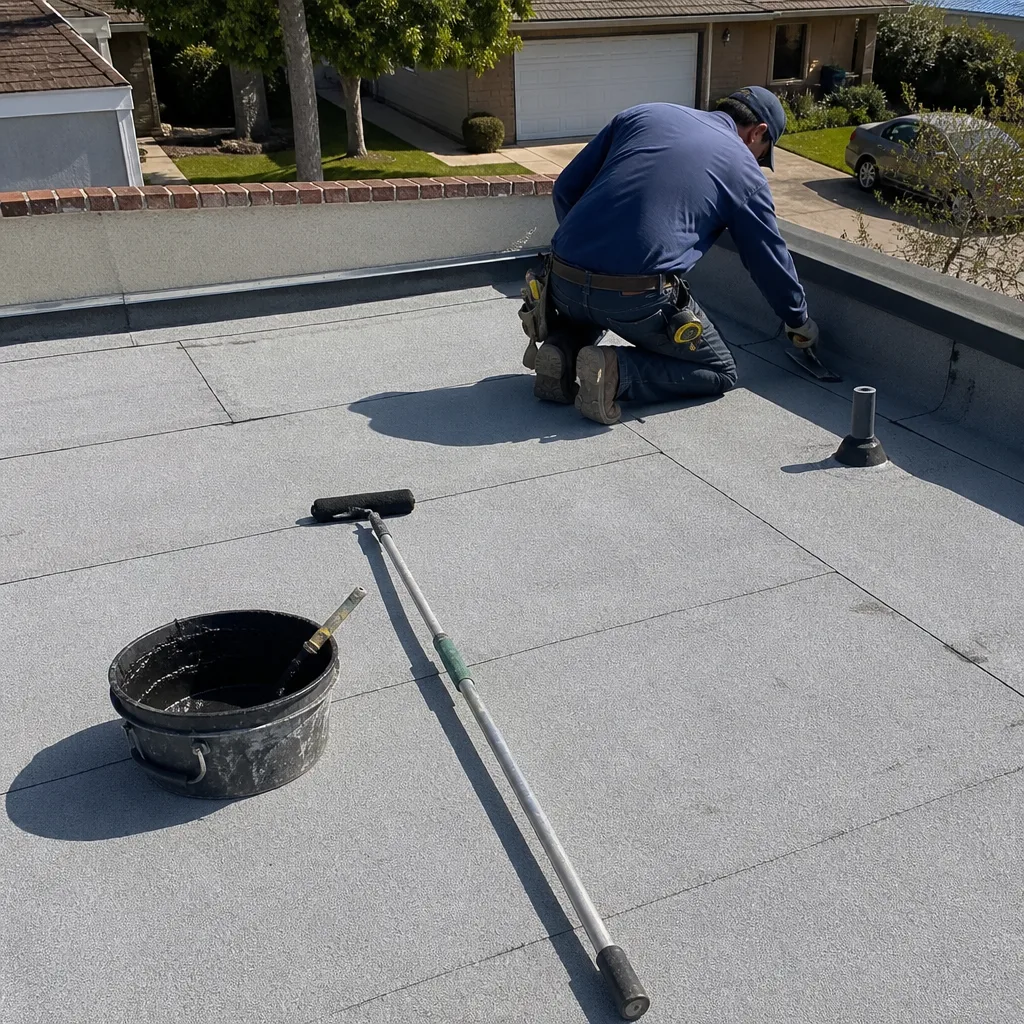 After
Trusted Brands We Service in La Habra
We’re authorized to install and warranty products from seven major manufacturers: GAF, CertainTeed, La Habra Owens Corning service, IKO, Atlas, Tamko, and Boral. That matters in La Habra because the housing stock is genuinely mixed. A 1960s hillside home might have Atlas shingles. A 1970s tract home in the flats might have Tamko or IKO. A mid-century ranch could have Boral concrete tile. If you need a section repaired and we can’t match the brand, the patch looks like a patch. We keep working relationships with all seven so we can match replacement sections to existing roofs with the right color, profile, and warranty. Seven brands, one specialty.
Common Roof Repair Problems We See in La Habra Homes
- Wind-scoured granules on the windward slope. Santa Ana winds strip granules off shingles and leave the asphalt exposed. Once the granule layer is gone, UV breaks down the mat fast. You’ll see this on the side of the house facing the hills, not the street.
- Lifted tile edges with failed fasteners. Original tile fasteners on 1960s and 1970s homes weren’t built for repeated Santa Ana winds. When one tile lifts, it lets wind under the surrounding field and the problem spreads in a single season.
- Dry-rot under minimal underlayment. La Habra barely gets rain, but decades of thermal cycling and the occasional wind-driven moisture do the damage. On postwar tract homes with skip sheathing, we find rot behind the eaves and at valleys long before a leak shows inside.
- Valley and flashing failures. The valleys take the most water when it does rain, and the flashing at chimneys and walls gets the worst of the UV. We inspect valleys and flashings on every call because they’re cheap to fix early and expensive to fix late.
We Also Serve Cities Near La Habra
Our crews work throughout North Orange County and the gateway to Los Angeles County. We serve La Habra Heights, East La Mirada, Fullerton, and La Mirada in addition to La Habra. If you’re on the border of any of these cities and need a straight answer on your roof, call (866) 282-5070.
Serving La Habra, CA — Our Local Coverage Area
We’re based in the La Habra area and know this community well. Use the map below to see our service coverage — if you’re nearby, we can almost certainly help.
FAQs About Roof Repair in La Habra
Because the Santa Ana winds come from the northeast and hit the windward slope first. The windward side loses granules, lifts tile edges, and breaks fasteners while the leeward side stays mostly intact. If you only repair the damaged side without upgrading the fasteners to wind-rated hardware, you’ll be back on the roof after the next wind event. Call (866) 282-5070 and we’ll check both slopes, not just the one you can see from the street.
Yes. Skip sheathing means the boards are spaced apart rather than laid tight. That’s fine for tile on the original design, but it complicates any repair that needs decking replacement or a membrane. You can’t lay a modern underlayment directly over skip sheathing, so we either re-deck the section or install the repair to match the original system. The labor and material cost runs higher than a tight-decked roof, typically $200 to $600 more per section. We’ll show you exactly what your roof has and quote it as it is, not as a generic per-square number.
They do if they’re rated for high wind and installed with the right nail pattern. Architectural shingles from Atlas, Tamko, or IKO carry wind ratings well above what most Santa Ana events produce here. The failure we see in La Habra is never the shingle itself. It’s the installation: too few nails, nails driven at the wrong angle, or a re-nail after a repair that doesn’t use wind-rated fasteners. A properly installed architectural shingle with six nails per shingle holds in this foothill wind. A three-nail pattern doesn’t. We spec six, every time.
Thermal cycling and trapped moisture. La Habra’s inland heat pushes daytime roof surface temperatures over 140 degrees in summer, then the temperature drops thirty or forty degrees at night. That expansion and contraction opens gaps in old caulk, flashing seams, and underlayment laps. Wind-driven moisture from Santa Ana events gets into those gaps and doesn’t dry out because the underlayment on older tract homes is thin. Dry-rot follows. It’s slow, but it’s real, and it’s why we inspect decking on every repair. Call (866) 282-5070 for a roof inspection if you want to know what’s happening under your tile before it becomes a leak.
Look at four things: the material brand and SPECIFIC product named in the bid, not just “shingles”; the nail or fastener pattern specified; whether decking and underlayment replacement is included or left as a “time and materials” change order; and the warranty length on the repair work itself. A bid that says “shingles, labor, hauling” without naming the product and the fastener spec is a bid you can’t compare to anything. We write our scopes with every line item spelled out so you can set them side by side. The free estimate includes it all. Call (866) 282-5070.
Written by Rick Dunnigan, Owner at Buena Park Roof Repair, serving La Habra and North Orange County.