Last updated October 31, 2026
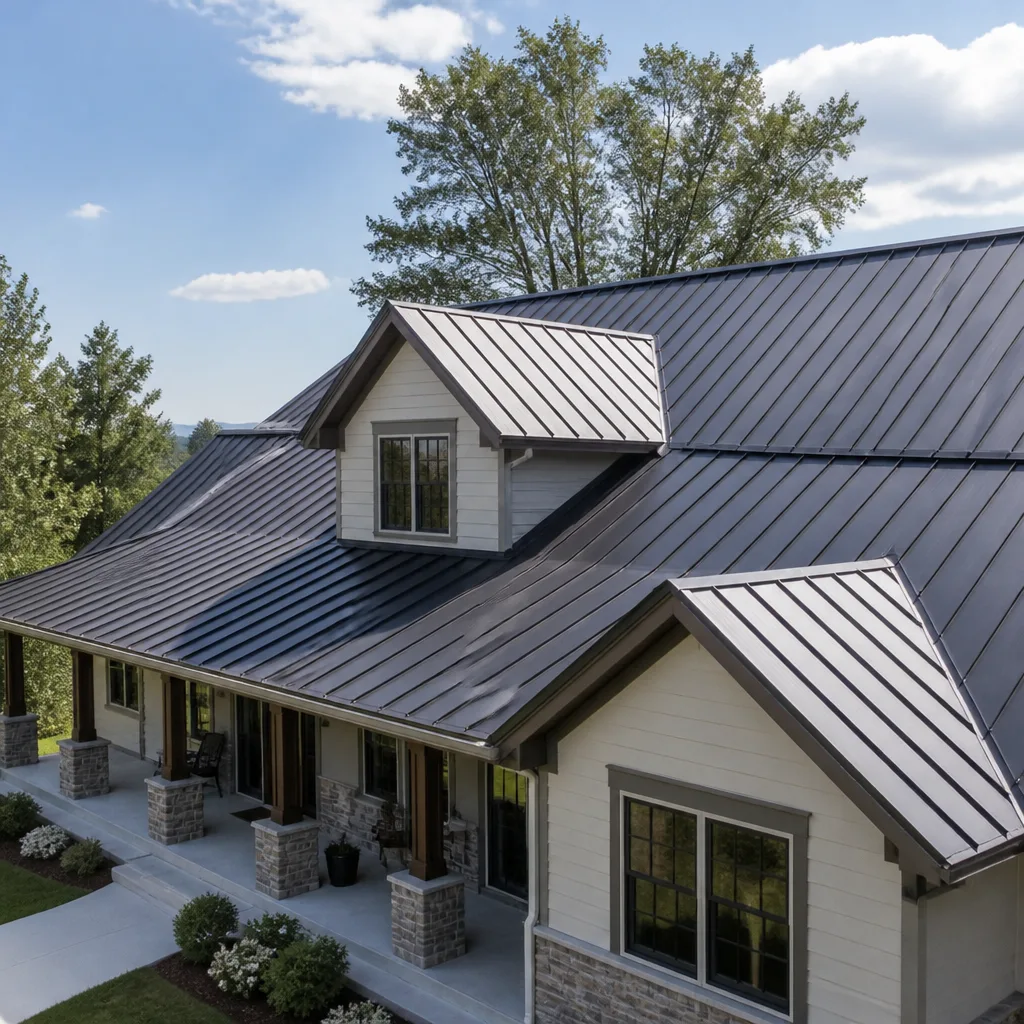 Metal roofing
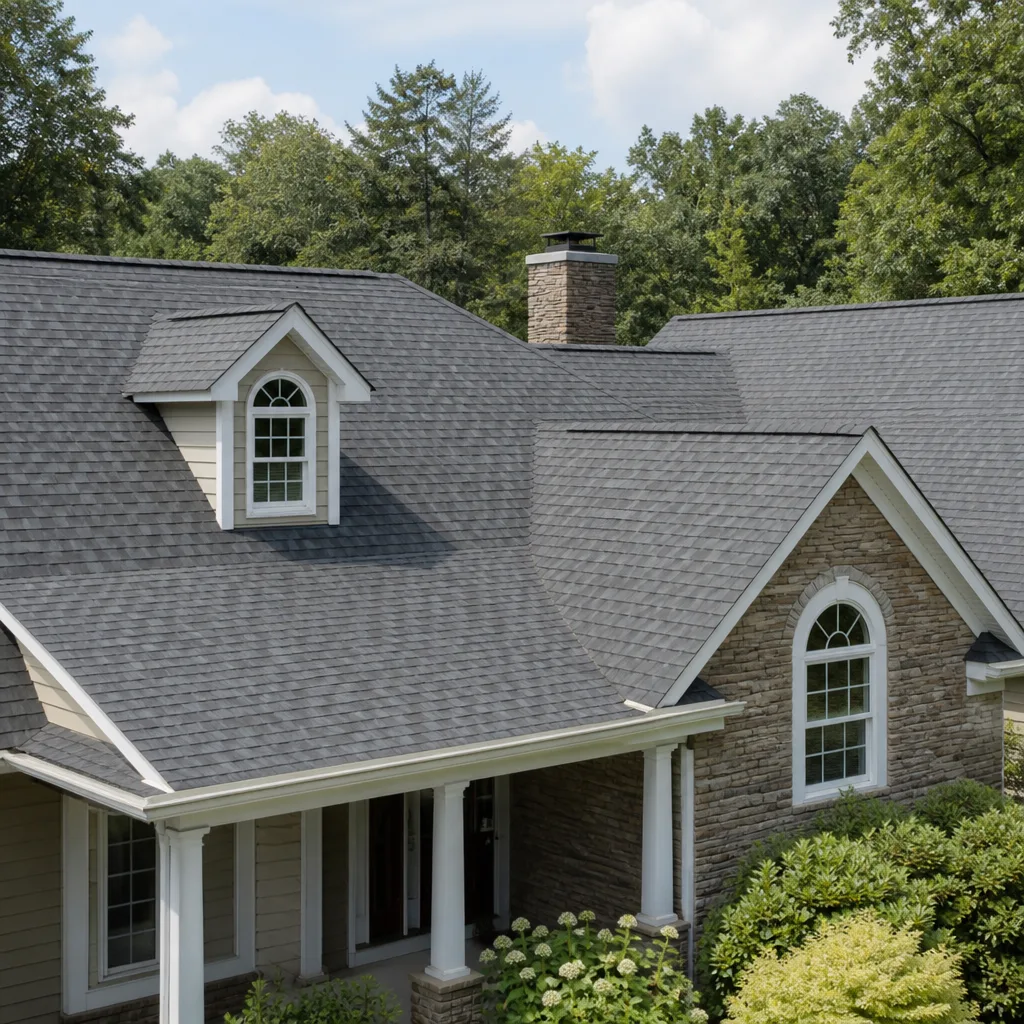 Architectural shingles
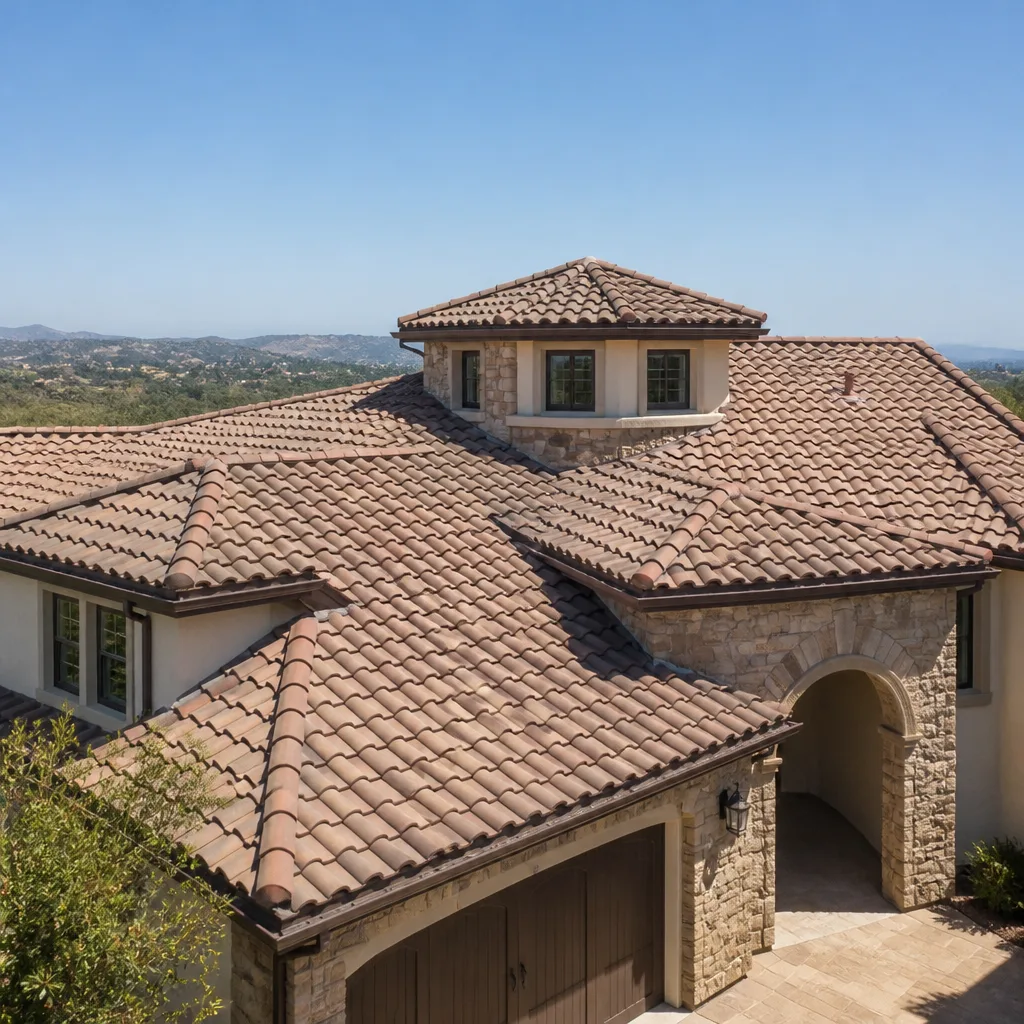 Tile roofing
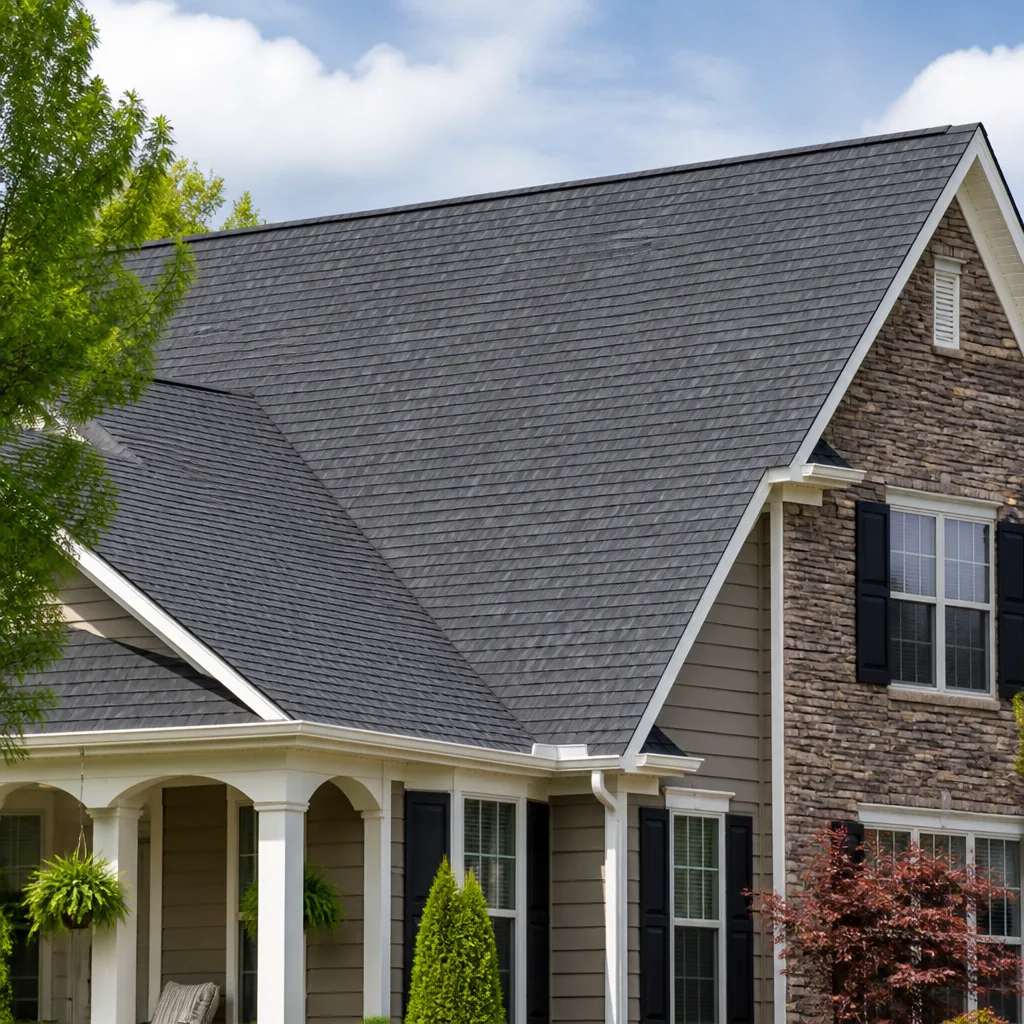 GAF
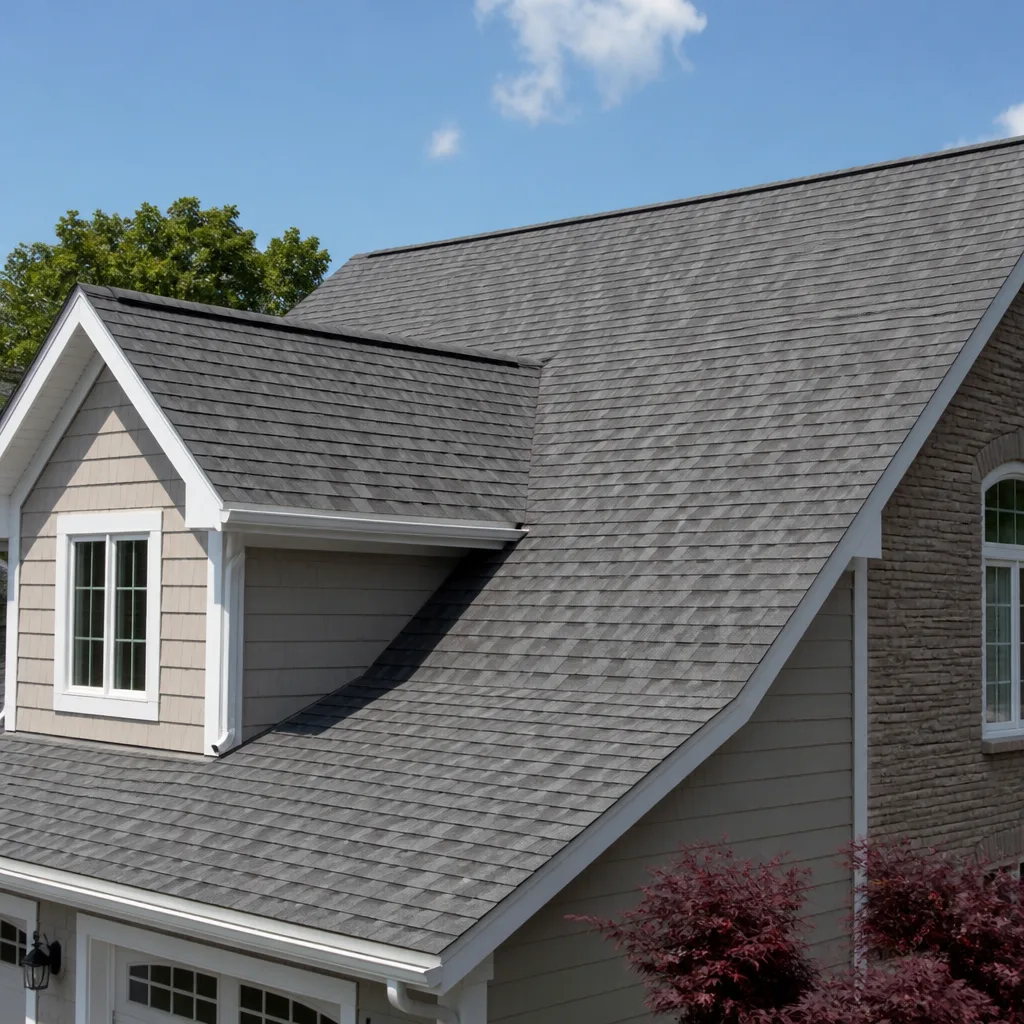 Owens Corning
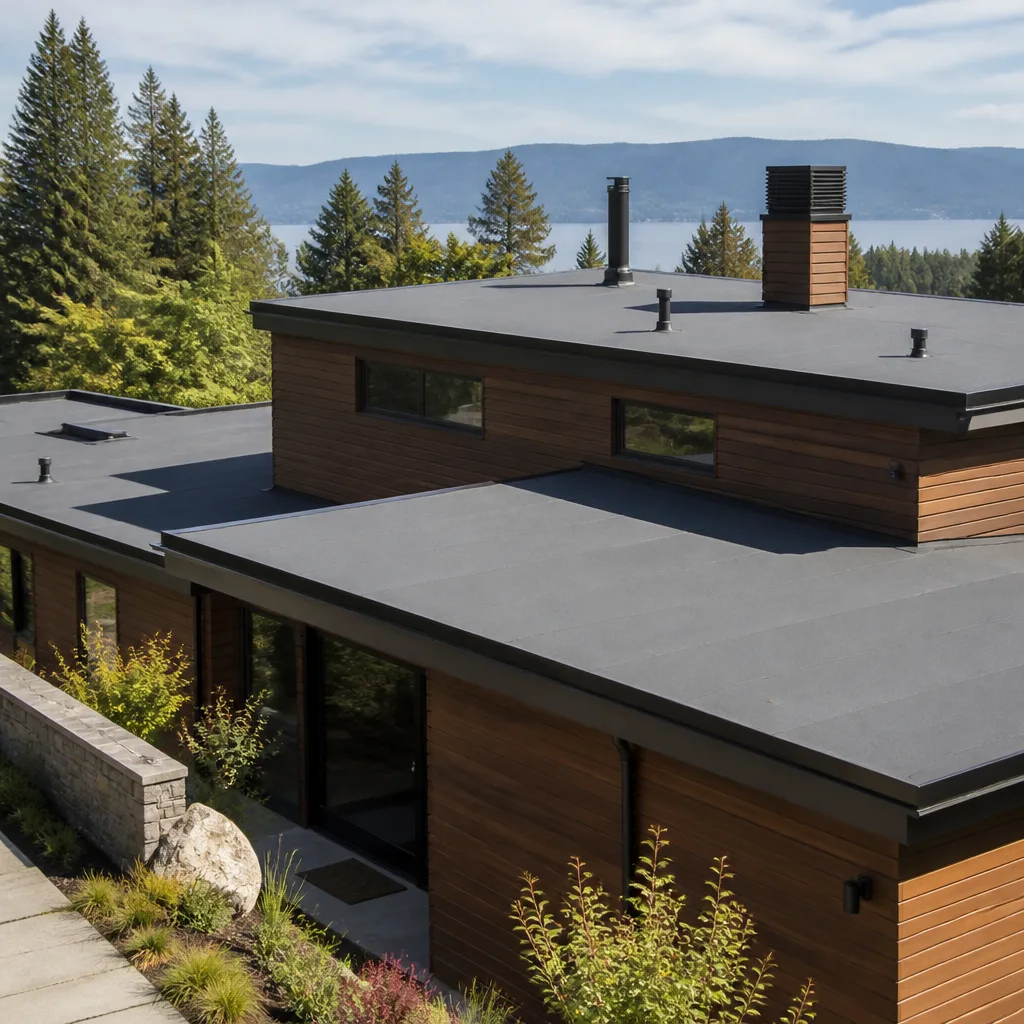 Flat & low-slope
Free roof inspection with deck photos before we talk money - GAF and Owens Corning certified installation
The Complete Guide to Roofing in Buena Park
Most roofing guides read like they were written for Ohio: predictable seasons, snow loads, and shingles rated for hail. But Buena Park sits 12 miles from the Pacific, directly in the path of Santa Ana wind corridors, and under California’s strictest residential energy codes. None of that shows up in the advice most homeowners are reading. This guide covers what actually drives roofing decisions in Buena Park: the marine layer’s effect on shingle life, why wind ratings matter more than rain ratings here, and how Title 24 narrows your material options before you ever think about color.
Quick Answer
Roofing in Buena Park requires balancing three local factors that generic guides ignore: moisture from the coastal marine layer, Santa Ana wind gusts that routinely exceed 50 mph, and California Title 24 cool-roof requirements. The right roof for a Buena Park home is typically a wind-rated asphalt shingle or a cool-roof-rated tile or metal system, installed with underlayment and fastening schedules designed for Santa Ana conditions. Repair is often viable longer here than in harsher climates because Buena Park’s UV exposure is milder than inland Orange County, making honest inspection the single most valuable step before any spending decision.
Styles & brands we work with
Table of Contents
- What the Marine Layer Does to Roofs in Buena Park
- Why Santa Ana Wind Ratings Matter More Than Rain Ratings Here
- Title 24 and Cool Roof Compliance: What Buena Park Homeowners Need to Know
- Repair or Replace: How to Decide at Different Roof Ages
- Comparing Roofing Materials for Buena Park Homes
- How to Read a Roofing Estimate Line by Line in California
- What a Real Roof Inspection Should Cover
- What Roof Work Actually Costs in Buena Park
What the Marine Layer Does to Roofs in Buena Park
Buena Park’s location means most mornings between May and July start with a low cloud deck rolling in from the Pacific. That marine layer deposits moisture on roof surfaces, and it does something specific to asphalt shingles that inland homes never experience: it keeps the surface damp while the afternoon sun heats the roof from above. The moisture lingers in the granule bed and at the shingle edges, creating a wet-dry cycle that works granules loose over time.
In our inspection work across Buena Park neighborhoods, we consistently see granule loss concentrated on the western and southwestern roof slopes. Those are the faces that catch the marine layer first and hold moisture longest. The granules on a 15-year-old roof in Buena Park often look closer to what you’d expect on a 20-year-old roof out in Riverside or Corona. That does not mean the roof has failed. It means the surface is aging faster than the structural layer, which is a repair-first scenario, not an automatic replacement.
What you can do about it:
- Schedule an Roof Inspection in Buena Park after three consecutive marine-layer mornings. That is when moisture-related granule loss is most visible.
- Clean the roof’s valleys and drainage channels before the heavy June gloom period. Debris holds marine moisture against shingles and accelerates wear.
- Do not pressure wash asphalt shingles. A pressure washer strips granules faster than ten years of marine layer exposure will.
Concrete and clay tile roofs handle the marine layer differently. They absorb moisture slowly and release it slowly, which rarely damages the tile itself. The vulnerable points on tile roofs in Buena Park are the underlayment and the flashings, which can stay damp for months. An inspection that looks only at the tile and not what sits beneath it misses the actual failure points in this climate.
Why Santa Ana Wind Ratings Matter More Than Rain Ratings Here
Buena Park averages about 14 inches of rain per year. What it does not average, but gets reliably every fall, is Santa Ana wind. These offshore wind events hit Buena Park with gusts in the 40 to 60 mph range, and they blow from the northeast, which is the opposite direction of the prevailing coastal breeze. Roof systems designed only for standard wind uplift can handle a steady breeze. They can fail under the gust loading and directional shifts that Santa Anas deliver.
When we scope a roof replacement in Buena Park, the wind conversation comes before the material conversation. The two numbers that matter are the design wind speed for your specific lot and the fastening schedule the manufacturer requires to meet that rating. A home on a flat lot in central Buena Park has a different design wind speed than a home sitting on the elevated northeast edge of the city, where Santa Ana winds hit first and hit hardest.
Here is the step-by-step wind evaluation we walk through on every Buena Park replacement:
- Confirm the home’s wind zone based on its exact location, not its zip code. Buena Park’s own geography creates microzones.
- Select underlayment rated for the zone’s wind uplift pressures. Standard 30-pound felt does not cut it on exposed slopes in Santa Ana corridors.
- Match the fastening schedule to the manufacturer’s high-wind installation guide, which typically means more nails per shingle and a different nailing pattern than standard installs.
- Verify ridge cap and edge metal attachments. These are the first components Santa Ana winds tear off, usually at the eaves and rake edges.
- Register the installation with the manufacturer so the wind warranty is actually active. An unregistered wind warranty is not a warranty.
We work with seven major manufacturers, including GAF, CertainTeed, and Owens Corning, and every one of them publishes distinct high-wind installation specifications. Choosing the right material is only half the decision. Installing it to the correct wind standard for a Buena Park lot is the other half, and it is the half that determines whether the roof survives its first real Santa Ana season.
Title 24 and Cool Roof Compliance: What Buena Park Homeowners Need to Know
California’s Title 24 energy code applies to Buena Park, and it changes the roofing conversation before aesthetics ever enter the conversation. For residential reroofing projects, Title 24 requires cool roof materials in most cases. Cool roof means the material reflects more solar energy and emits stored heat more efficiently than a standard dark shingle.
The practical effect in Buena Park: if you re-roof with asphalt shingles, you are not choosing any shingle you like. You are choosing from the cool-roof-rated product lines. That is where working with a contractor who carries multiple brands becomes genuinely useful. GAF’s cool roof shingle options differ from CertainTeed’s, which differ from Owens Corning’s. If a roofer only installs one brand, they are forcing you into whatever cool-roof products that brand offers, whether or not the color and profile actually suit your home.
What Title 24 compliance involves:
- Cool roof rating for the specific shingle or tile product being installed. The rating is measured by solar reflectance and thermal emittance values.
- Documentation showing the installed product meets the minimum values for your climate zone. Buena Park falls in climate zones 6 and 8, depending on the exact neighborhood.
- For tile roofs, the compliance path can be different. Some tile products meet Title 24 through their natural reflective properties. Verify this with the manufacturer’s documentation before installation.
- If the project involves a full roof replacement, the permit process will require Title 24 documentation. A roofer who skips this is leaving the homeowner with a permit problem and an energy code violation.
The good news: the energy savings from a cool roof in Buena Park are real, not theoretical. A roof that reflects more solar radiation keeps the attic cooler during summer heat events, which in Orange County means July through September. Lower attic temperatures translate to lower air conditioning loads and longer HVAC equipment life. The Title 24 requirement and the practical benefit point in the same direction.
Repair or Replace: How to Decide at Different Roof Ages
Buena Park’s relatively mild UV environment works in a homeowner’s favor when it comes to repair decisions. Unlike desert cities where shingles bake and crack early, Buena Park roofs tend to age gradually, and many failures are localized: a flashing issue around a penetration, a valley wearing faster than the field, a small section damaged by wind-blown debris. These are repair scenarios, not replacement scenarios, and a contractor who reaches for a replacement estimate before looking at the actual condition is one you should be skeptical of.
Here is a practical age-based framework for Buena Park homes:
Roofs Under 10 Years Old
At this age, a full replacement is almost never the right call unless there was a major installation defect from day one. The most common issues we see on sub-10-year roofs in Buena Park are flashing failures around chimneys and vents, minor wind damage from Santa Ana events, and occasional shingle blow-offs. These are targeted repairs. A roof this age should still carry active workmanship warranty coverage from the installer and material warranty coverage from the manufacturer.
Roofs 10 to 18 Years Old
This is the decision zone. Buena Park roofs in this range often show visible granule loss from marine layer exposure, nail pops, and the first signs of flashing deterioration. But the structural layer is typically intact. The right move is a professional Roof Inspection in Buena Park that separates surface aging from structural aging. In many cases, targeted repairs can extend the life by five or more years. That is five years of not spending $15,000 to $25,000 on a replacement.
Roofs Over 18 Years Old
At this stage, the conversation shifts. Most asphalt shingle roofs in Buena Park are reaching the end of their designed service life between 18 and 25 years. Repairs become less cost-effective as the frequency of new issues accelerates. The honest conversation here is about remaining life, not about upselling. A roof that has given 20 good years and is now losing shingles every Santa Ana season is telling you something. Listen to the roof, not the salesman.
The repair-first philosophy is not always about repairing. It is about honest scoping. Sometimes that means we tell a homeowner their roof is fine for now. Sometimes it means a $600 flashing repair solves the leak they were quoted $18,000 to replace. And sometimes it means replacement really is the right call, and we explain exactly why with the evidence from the inspection.
Comparing Roofing Materials for Buena Park Homes
Material choice in Buena Park is a three-way conversation between wind performance, Title 24 compliance, and what the homeowner actually wants to look at for the next two decades. Here is how the main options stack up in this specific city:
Asphalt Shingles
The most common and the most affordable option. For Buena Park, cool-roof-rated architectural shingles are the default choice. They handle Santa Ana winds well when installed to high-wind specifications, they are available in a wide range of colors, and they offer the best cost-to-longevity ratio. Brands matter. We install GAF, CertainTeed, Owens Corning, IKO, Atlas, Tamko, and Boral products, and each has different cool-roof color lines and different wind warranty terms. The right shingle for a Buena Park home depends on the lot’s wind exposure and the homeowner’s color preferences, not on whatever brand happens to be in the roofer’s warehouse.
Concrete Tile
Common throughout Orange County and well-suited to Buena Park’s climate. Tile handles the marine layer well, provides natural insulation, and many tile products meet Title 24 without additional coatings. The weight requires structural verification before installation. If the home was not originally built for tile, adding it usually requires an engineer’s assessment. Tile is also the more expensive upfront option, but its service life in a mild climate like Buena Park can exceed 40 years.
Clay Tile
A traditional Southern California look that performs well in Buena Park’s climate. The same structural weight considerations apply. Clay tile is brittle under foot traffic, so any future roof work requires walking it carefully or using roof ladders. Color options are more limited than concrete, but the aesthetic is distinctive for Spanish and Mediterranean-style homes common in Buena Park.
Standing Seam Metal
The strongest wind performer for Santa Ana conditions. Metal roofs carry high wind ratings, naturally meet cool-roof requirements in most finishes, and shed marine layer moisture easily. The tradeoff is cost: metal is typically the most expensive residential roofing material, and the install requires a contractor with specific metal roofing expertise. Metal is also louder during heavy rain, which matters for the handful of intense rain events Buena Park gets annually.
The point of having access to seven brands and multiple material types is not to overwhelm a homeowner with options. It is to give an honest answer to one question: what performs best on this specific home, on this specific lot, in Buena Park’s specific conditions? The answer varies. The material choice is yours. The evaluation of what fits is what you hire us for.
How to Read a Roofing Estimate Line by Line in California
California roofing estimates are structured differently than estimates in other parts of the country. Insurance, labor rates, permit costs, and disposal fees all reflect the state’s particular economics. Understanding what each line means protects you from paying twice or missing hidden costs that surface mid-project.
Here is how to read the estimate you should expect from a Buena Park roofer:
- Scope of work. Precise square footage of roofing surface, not just an estimate. Vague scopes produce change orders. A real estimate includes the actual measured dimensions of your roof.
- Material line items. Brand, product line, and color should be named. If the estimate says “30-year architectural shingle” without naming the manufacturer, you cannot verify the warranty or the cool-roof rating. Ask for the specific product.
- Underlayment specification. Type, brand, and rating. For Santa Ana conditions, this should specify a synthetic underlayment with a documented wind uplift rating, not generic “roofing felt.”
- Tear-off and disposal costs. In California, dumping fees and recycling requirements add real cost. A legitimate estimate includes the tear-off of existing roof layers and haul-away. Piling a second layer over an old one is legal in some places but almost never a good idea in Buena Park, where the extra weight and trapped moisture create long-term problems.
- Flashing and ventilation. All new flashing at penetrations, plus any ridge or soffit ventilation work. If flashing is not listed, you will be paying for it later when the leak appears.
- Permit fees. Buena Park requires permits for roof replacements. The estimate should include the permit cost or clearly state that it is an additional line item. No permit means no inspection, and no inspection means trouble if you ever sell the home.
- Workmanship warranty terms. Written in the estimate, not a verbal promise. A workmanship warranty in writing is what protects you when the installation itself fails, which is separate from the manufacturer’s material warranty.
One more California-specific line to watch for: the “change order” clause. Any estimate should explicitly state that the price will not change unless the scope changes and that any scope change comes in writing for your approval first. In our estimates, the price is the price unless you change the project.
What a Real Roof Inspection Should Cover
A genuine roof inspection is not a salesman walking your property with a clipboard and ending the conversation with a replacement quote. It is a structured condition assessment that produces documentation. Here is what we cover on every inspection in Buena Park, and what you should expect from any roofer you call:
- Exterior visual assessment from the ground. Looking for shingle lifting, granule loss patterns, missing tiles, sagging ridge lines, and visible flashing problems. Buena Park’s marine layer makes granule loss a key early indicator, especially on west-facing slopes.
- On-roof examination. Walking the roof surface where safe to check shingle adhesion, nail pops, soft spots, and the actual condition of sealants and flashings. This is where a roof that looks fine from the ground reveals its actual condition.
- Flashing inspection at every penetration. Chimneys, vents, pipes, skylight curbs, and valleys. Flashing failures are the single most common leak source we find in Buena Park, and they are almost always repairable without a full replacement.
- Underlayment check at eaves and rake edges. Where accessible, checking the condition of the underlayment, which protects the deck from wind-driven rain during Santa Ana events.
- Attic inspection. Water staining on the deck underside, insulation condition, and ventilation adequacy. The attic tells the truth about leaks that the exterior hides.
- Documented findings. Photos, written condition notes, and a prioritized list. The priority list separates what is urgent from what can wait, and what needs repair from what needs monitoring.
We offer the standalone Roof Inspection in Buena Park with no repair commitment required. You get an honest condition report. If the roof is fine, we tell you it is fine. If it needs three specific repairs, that is what the report says. If it needs replacing, we show you the evidence and walk through the numbers. The report belongs to you, and it is useful whether or not you ever hire us for the work.
What Roof Work Actually Costs in Buena Park
Roofing costs in Buena Park reflect California labor rates, local permit fees, and the specific materials that Title 24 and Santa Ana conditions require. Here are realistic ranges based on the projects we scope in this city:
- Targeted roof repair: $400 to $1,800 depending on the scope. A single flashing repair might run $400 to $700. A repair involving valley work or multiple penetration flashings could reach $1,200 to $1,800.
- Inspection report: Standalone inspections in Buena Park typically run $150 to $400 depending on home size and accessibility, and many contractors charge nothing to inspect a roof they are quoting for work.
- Asphalt shingle replacement: $15,000 to $28,000 for an average Buena Park home, depending on roof complexity, pitch, and whether cool-roof-rated premium shingles are selected.
- Concrete tile replacement: $28,000 to $50,000. The wider range reflects the structural verification process and the tile profile selected.
- Standing seam metal: $35,000 to $60,000. The premium wind performance and lifespan command a premium price.
These ranges assume a licensed, insured contractor pulling proper permits and installing to manufacturer specifications. A bid that comes in dramatically below these numbers is usually cutting something: no permit, no new flashing, cheap underlayment, or a crew that is not actually licensed. A bid that comes in dramatically above should trigger a detailed scope review. The right number sits in the middle, backed by line-item detail and written workmanship warranty.
For actual numbers on your specific roof, call (866) 282-5070. Estimates are free, and we will walk you through the line items.
Common Mistakes to Avoid
- Skipping the inspection and going straight to a quote. A quote without an inspection is a guess. Buena Park roofs hide their problems under the granule bed and at the flashings, where only a physical inspection finds them.
- Choosing material based on color before wind rating. Color matters, but if the shingle is not rated for Santa Ana gusts on your specific lot, you will be repairing it every October. Wind rating comes first. Color comes second.
- Accepting an estimate that does not name the manufacturer. If the estimate says “architectural shingle” without naming GAF, CertainTeed, Owens Corning, or another specific manufacturer, you cannot verify the warranty or the Title 24 compliance. Walk away or demand the product name.
- Layering new shingles over old ones. It saves a few thousand dollars upfront and creates moisture trapping, weight problems, and a warranty nightmare. In Buena Park, the marine layer makes the moisture trapping worse than in dry inland climates.
- Not checking for a written workmanship warranty. Manufacturer warranties cover the materials. Workmanship warranties cover the installation. If the roofer will not put the workmanship warranty in writing, the installation is your problem the day the crew leaves.
- Ignoring the attic during a roofing job. The roof and the attic work as a system. If ventilation is inadequate, a brand new roof ages prematurely. Any replacement in Buena Park should include a ventilation assessment, and the estimate should reflect it.
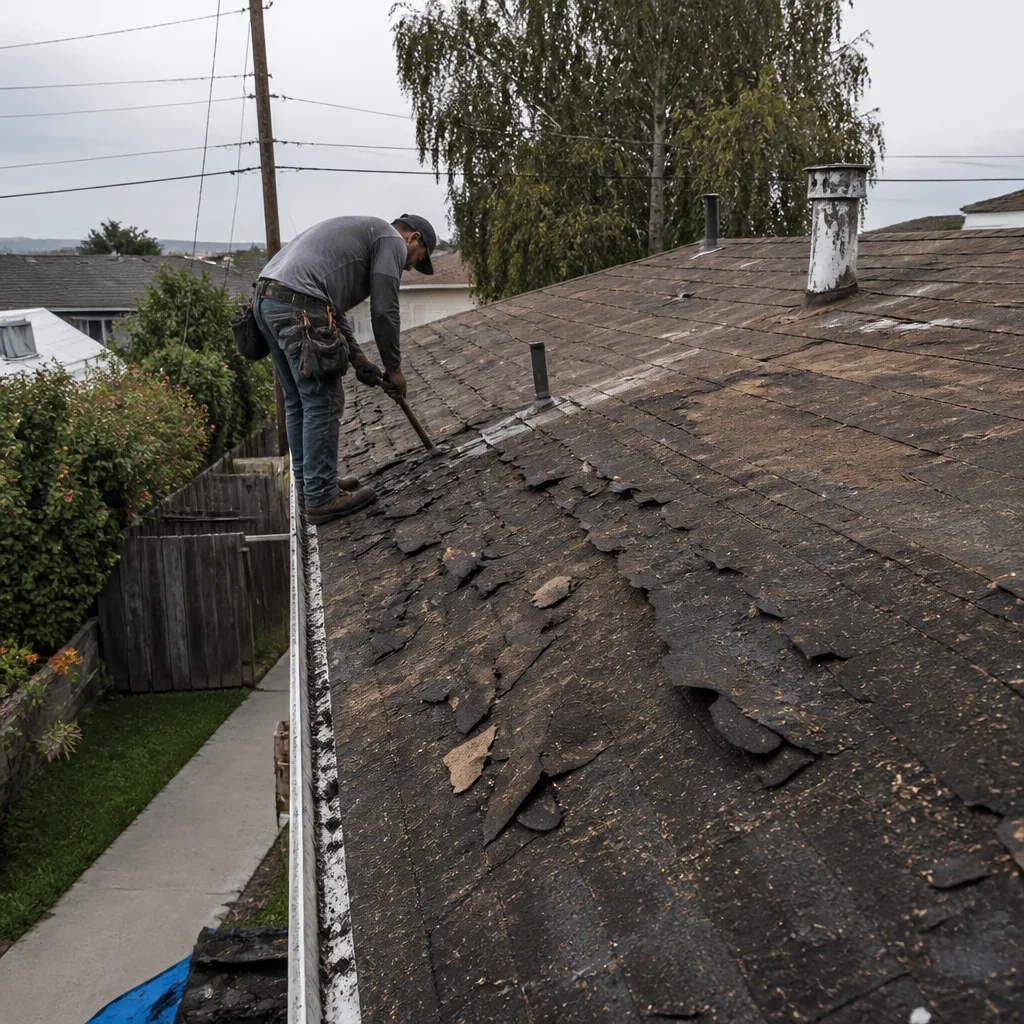
See the difference
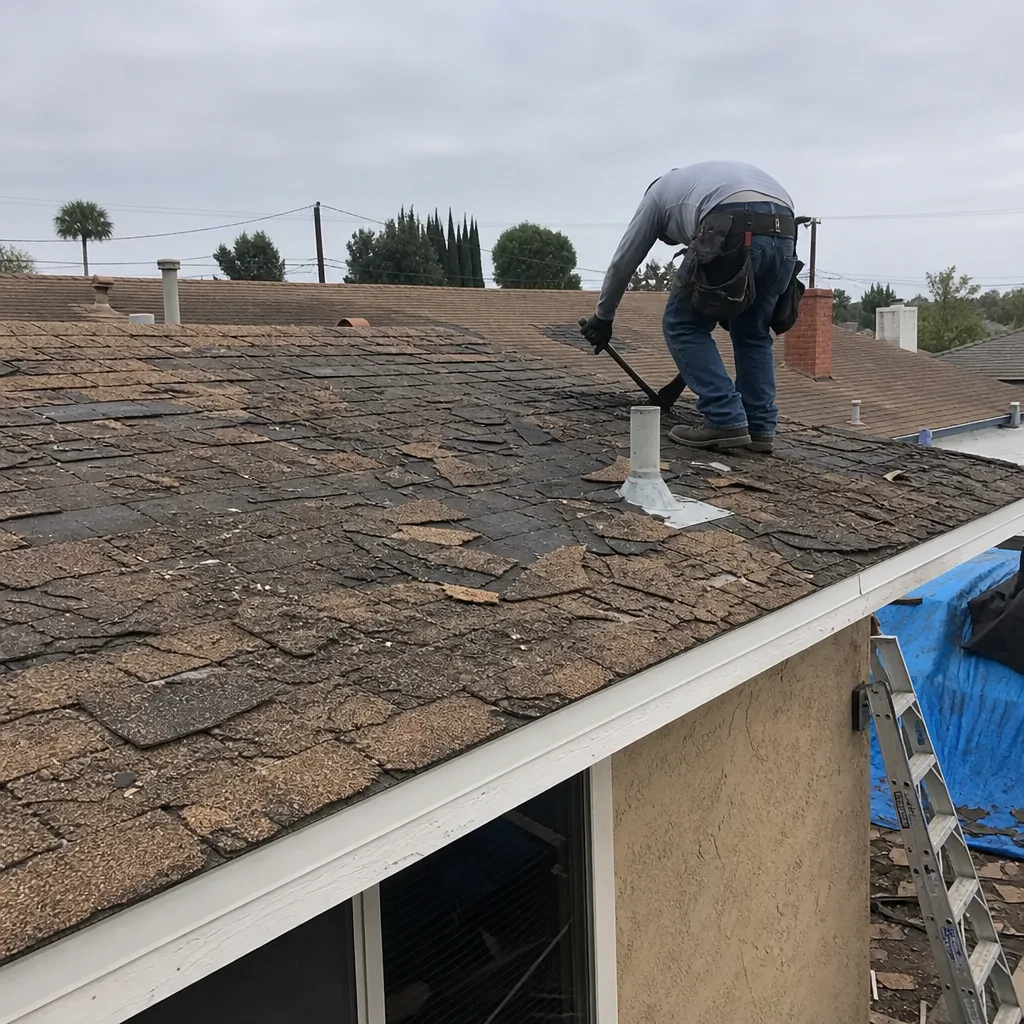 Before
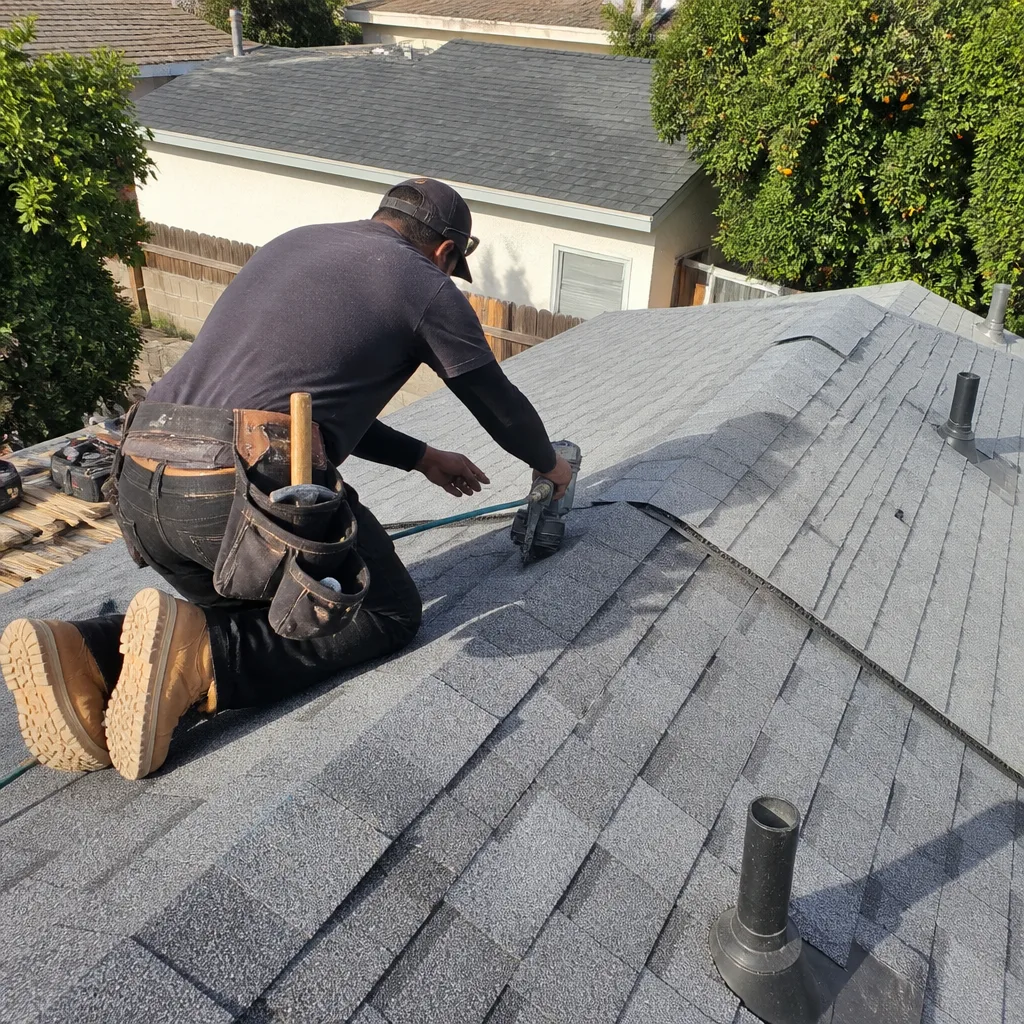 After
 Before
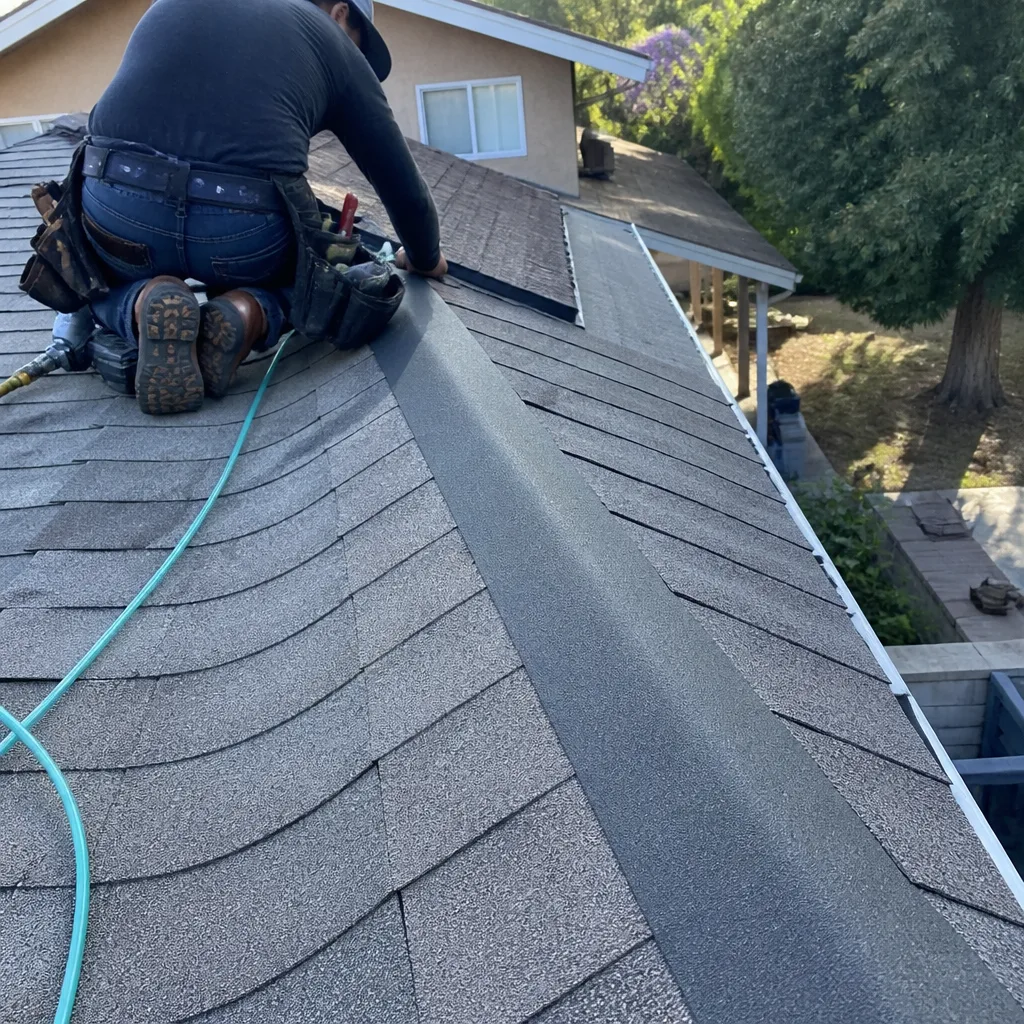 After
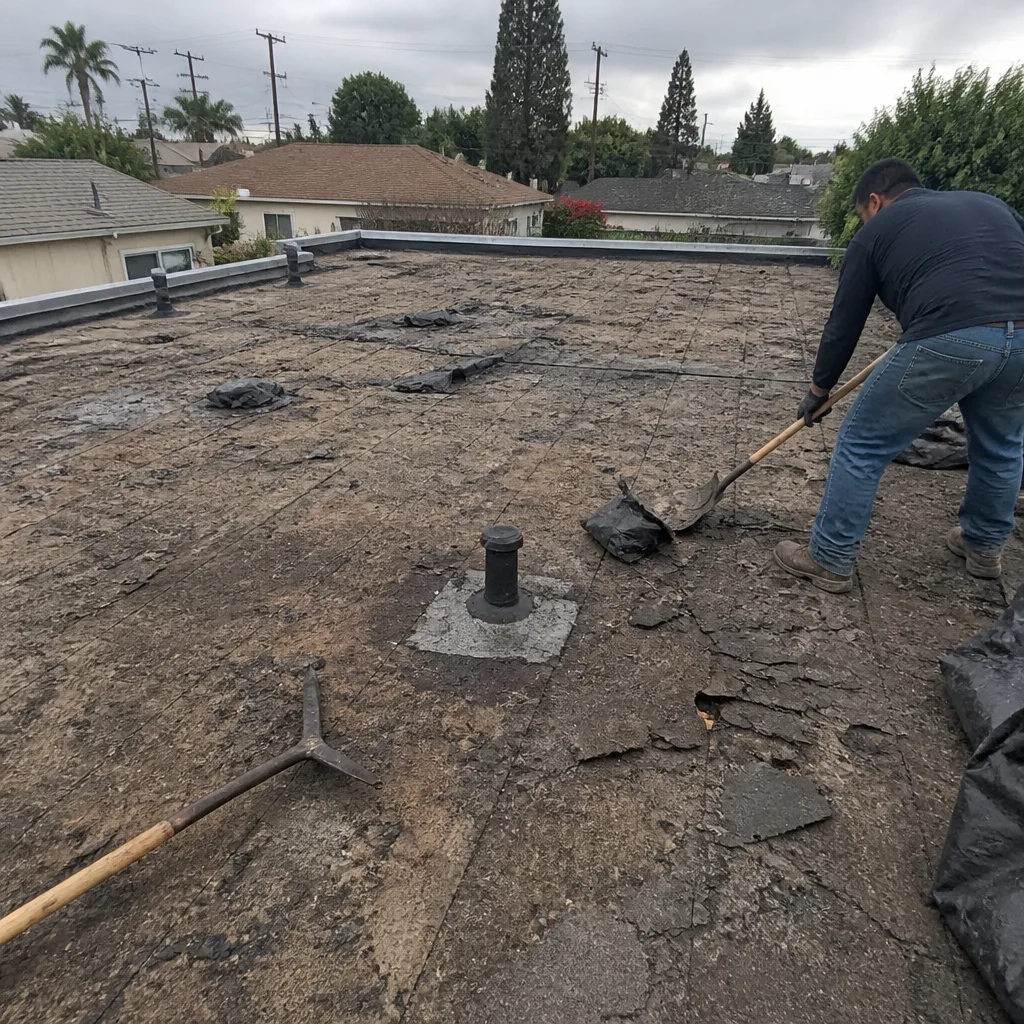 Before
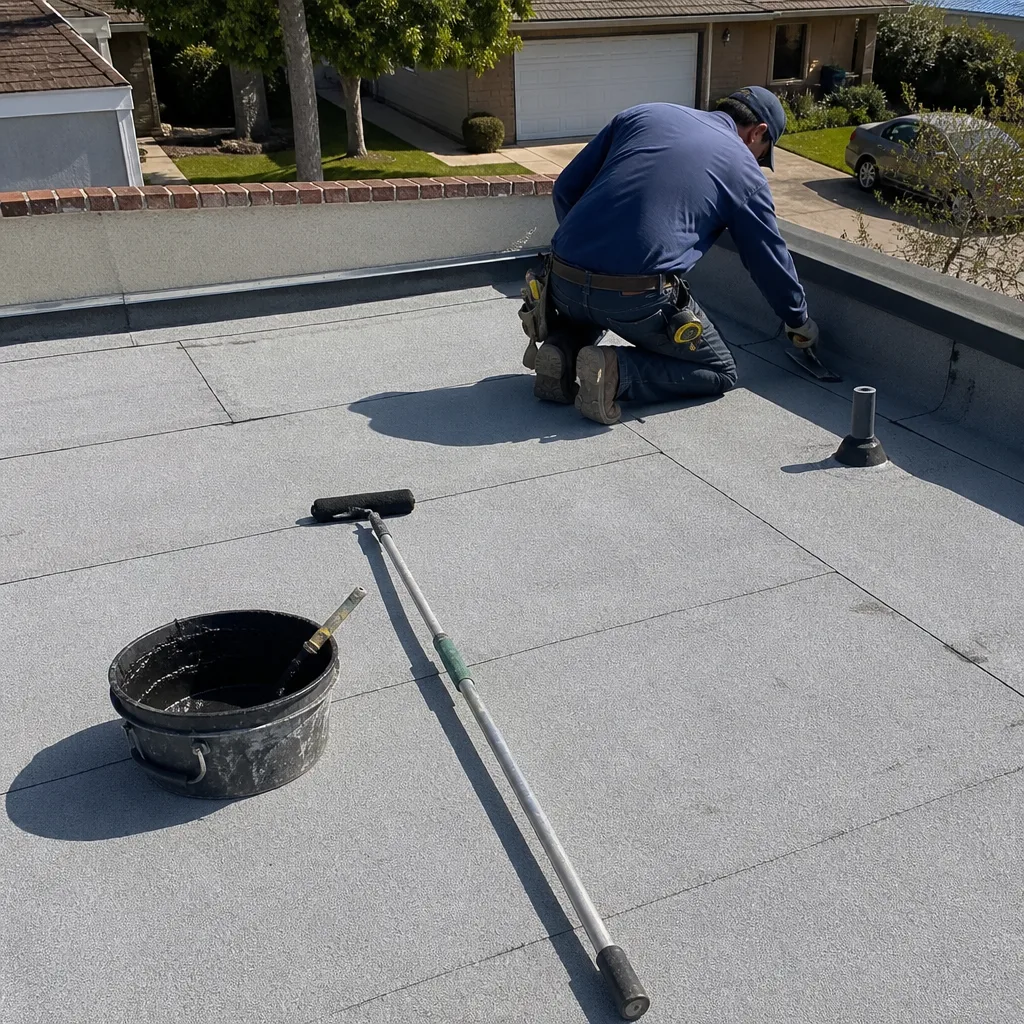 After
When to Call a Professional
You do not need a roofer every time the wind blows, but certain situations in Buena Park warrant a professional assessment before you end up with a much bigger problem. Call when you see water staining on a ceiling or wall after a Santa Ana rain event, because wind-driven rain finds different entry points than a normal storm. Call when shingles start appearing in your yard after wind events. Call when your roof is approaching its 18th year and you have never had a condition assessment. Call when you are buying or selling a home in Buena Park and the roof’s history is unclear. And call after any weather event that produced wind gusts over 50 mph in your neighborhood, even if you do not see obvious damage. Buena Park Roof Repair offers free estimates in Buena Park, and we have been serving the city since 2018. Call (866) 282-5070.
Frequently Asked Questions
A full asphalt shingle replacement in Buena Park typically runs $15,000 to $28,000 depending on roof size, pitch, and the specific cool-roof-rated product selected. Concrete tile and metal run higher. Call (866) 282-5070 for a free line-item estimate on your specific roof.
Yes, in many cases. Buena Park’s mild UV environment means roofs often fail in localized spots like flashings and valleys long before the whole roof gives out. A professional inspection can determine whether targeted Roof Repair in Buena Park will buy you five more years or whether replacement is actually warranted.
Yes, the City of Buena Park requires permits for roof replacements, and the work must pass inspection. A contractor who skips the permit is creating a problem for you when you sell the home. The permit cost should appear in your estimate, either as a line item or clearly identified as an additional cost.
Title 24 is California’s energy code, and for Buena Park it means most residential reroofing projects must use cool-roof-rated materials. The specific product options differ by manufacturer, which is why multi-brand access matters. We can show you Title 24-compliant options from GAF, CertainTeed, Owens Corning, and other brands rather than forcing one product line on you.
Santa Ana winds hit Buena Park from the northeast with gusts that routinely exceed 50 mph, which creates directional stress that standard roof installations do not always handle. The fix is a high-wind installation: correct underlayment, additional fasteners, and edge detailing built for gust loading. This is a core part of how we scope every Roof Replacement in Buena Park.
Most asphalt shingle replacements on Buena Park homes take three to five working days. Tile and metal take longer. The weather windows matter less here than in rainier climates, which means scheduling is more flexible year-round. We will give you a written timeline in the estimate, not a verbal guess.
The Bottom Line
Roofing in Buena Park is a local conversation, and the locals are the marine layer, the Santa Ana winds, and Title 24. Understand those three forces and the material decisions mostly make themselves. The rest is honest scoping: repairing what needs repair, replacing what needs replacement, and never pushing a job the roof does not actually need. If you are wondering about your roof’s actual condition, start with an inspection. It costs less than a replacement, it answers the question, and it belongs to you either way. Call (866) 282-5070 to schedule your free estimate, or visit our Buena Park Roof Repair home page to learn more about how we work.
Written by the team at Buena Park Roof Repair, serving Buena Park since 2018.