Last updated October 31, 2026
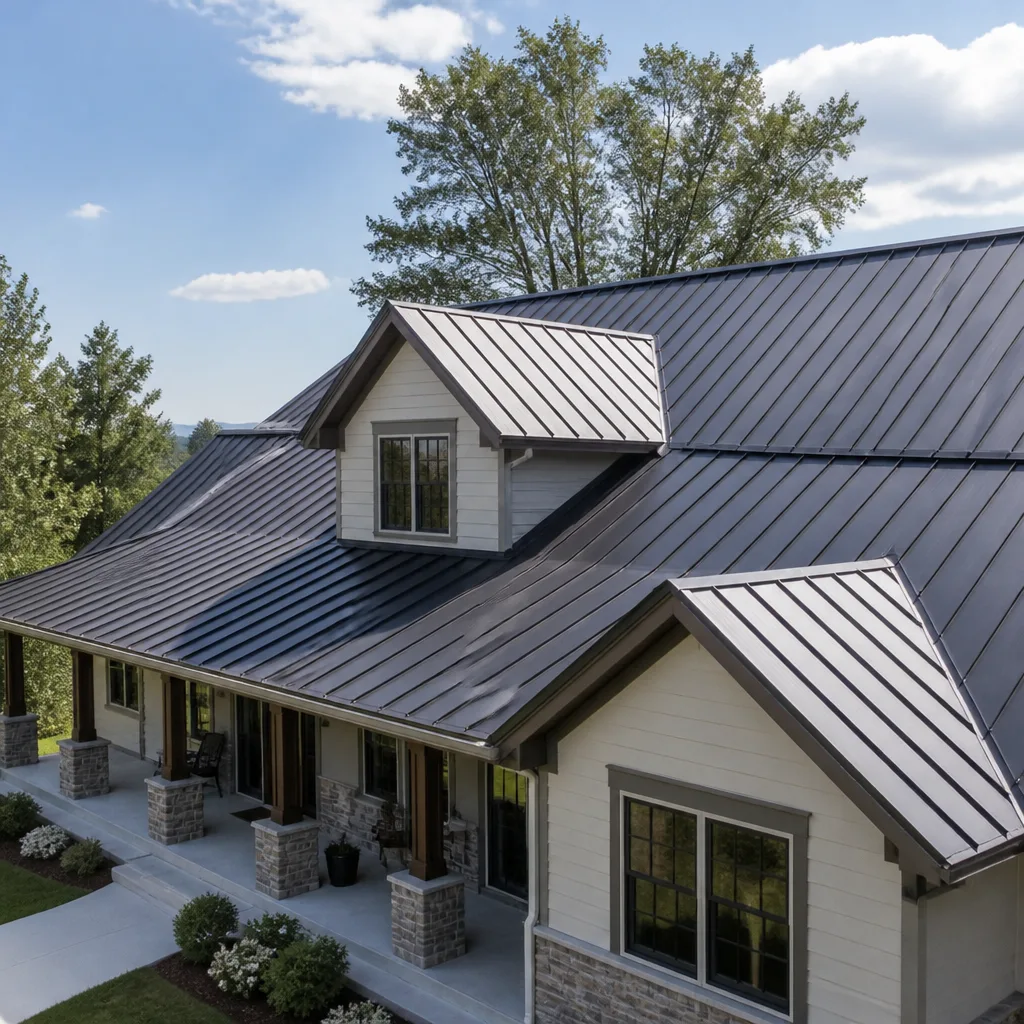 Metal roofing
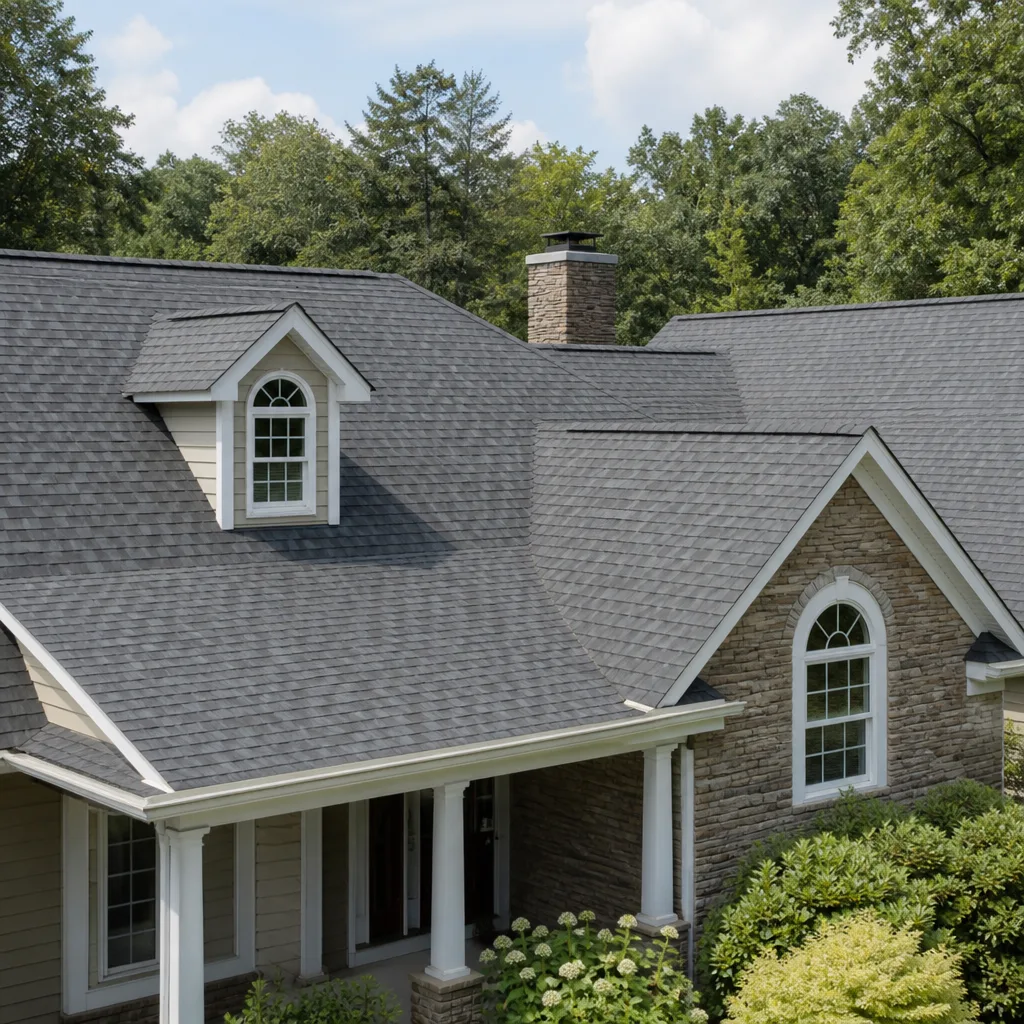 Architectural shingles
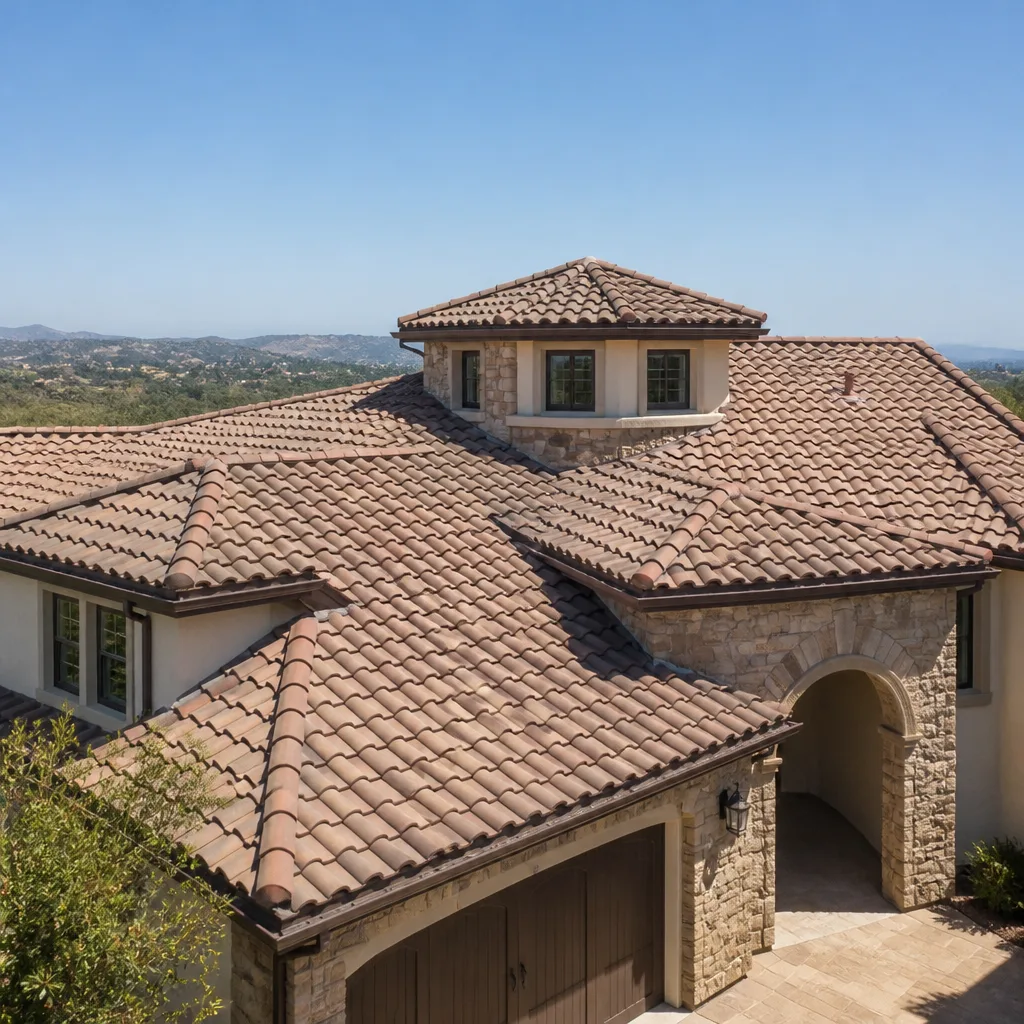 Tile roofing
 GAF
 Owens Corning
 Flat & low-slope
Free roof inspection with deck photos before we talk money - GAF and Owens Corning certified installation
Roofing Permits, Codes & Inspections in CA: What You Need to Know
In California, a straightforward re-roof can trigger three separate inspections, Title 24 energy compliance checks, and city-specific fire-zone material requirements. Most homeowners don’t discover this until after they’ve signed with a contractor who quietly skipped the permit step to shave a few days off the schedule. That shortcut can cost more than the roof itself when it surfaces during a home sale, an insurance claim, or a warranty dispute. This guide walks through exactly what Orange County and Buena Park homeowners need to know before anyone tears off a shingle.
Quick Answer
Most roof replacements and structural repairs in California require a building permit from your local city, plus compliance with Title 24 energy standards and any applicable fire-zone material rules. Smaller repairs, like replacing a few shingles or sealing a small leak, generally do not require a permit. The inspection sequence for a full re-roof typically includes a sheathing inspection, a lath or underlayment inspection, and a final inspection, with each stage having specific pass/fail criteria.
Styles & brands we work with
Table of Contents
- What Actually Triggers a Roofing Permit in Orange County
- Repairs That Don’t Require a Permit: The Real Threshold
- Title 24 Cool-Roof Compliance: What It Demands
- High Fire Hazard Severity Zones and Class A Materials
- The Full Re-Roof Inspection Sequence in California
- What Fails Most Often at Each Inspection Stage
- Unpermitted Roofing Work and Home Sale Disclosures
- Common Mistakes to Avoid
- When to Call a Professional
- Frequently Asked Questions
What Actually Triggers a Roofing Permit in Orange County
The threshold in California is simpler than most guides suggest, but it’s also stricter than homeowners expect. Under the California Residential Code, any roof work that involves replacing the roof covering, altering the roof structure, or changing the roof’s dead load requires a permit. That means a full tear-off and re-roof, a new layer over existing shingles, a roof replacement that changes material type, or any work that touches rafters, trusses, or sheathing all trigger the permit requirement.
In Buena Park and other Orange County cities, the permit is issued by the city’s building department, not by the county. Each city enforces the same underlying California codes, but local amendments, fee schedules, and inspection procedures vary. Buena Park follows the California Building Standards Code with city-specific overlays that include zoning checks for roof height and setback compliance. A contractor who pulls permits in Anaheim may not be familiar with Buena Park’s specific submittal requirements, which is one reason to work with a local roofer who files in the city regularly.
Here’s what the permit application for a typical residential re-roof in Orange County includes:
- Roofing permit application form with project address, owner information, and contractor license details.
- Scope of work description specifying removal method, new material type, number of layers, and approximate square footage.
- Manufacturer product data sheets for the specific shingle or roofing product being installed, including the product’s Title 24 CRRC rating where applicable.
- Site plan or roof plan showing the roof’s footprint and any changes to roof geometry.
- Payment of permit fees, which in Orange County cities typically range from $200 to $800 for a standard re-roof depending on valuation and city fee schedules.
The fee structure matters because unpermitted work isn’t just a procedural violation. When a roof is replaced without a permit, the city has no record that the work met code. That gap becomes a problem during any future claim, sale, or refinance. In our experience working with Buena Park homeowners, we’ve seen unpermitted roofs flagged during buyer inspections more often than any other single defect except electrical panel issues.
For a deeper look at what a full replacement involves, see our guide on Roof Replacement in Buena Park.
Repairs That Don’t Require a Permit: The Real Threshold
This is where most guides get it wrong. The exemption is not a square footage number. It’s a scope and location standard. Under California code, the permit exemption applies to “minor repairs” that do not involve structural changes, do not change the roof’s drainage characteristics, and do not replace more than a limited portion of the roof covering. In practice, Orange County building departments generally interpret this as:
- Replacing up to 10% of the roof covering in a single repair event, provided the replacement material matches the existing roof in type and weight.
- Patching a small leak by replacing damaged underlayment and shingles in the immediate affected area.
- Replacing individual damaged shingles after a storm, as long as the total area stays under the 10% threshold.
- Re-flashing around a vent, pipe, or chimney where no structural members are altered.
- Clearing debris and re-securing loose flashing without removing roof covering.
The 10% figure isn’t written into every city’s municipal code as a bright line, but it’s the practical enforcement standard most Orange County inspectors use. Anything beyond that, or any repair that requires removing and replacing sheathing, modifying rafter connections, or reconfiguring drainage, crosses into permit territory. A roof inspection is the clearest way to determine where your specific repair falls. Our Roof Inspection in Buena Park service documents exactly what’s needed and why, which is useful documentation if a permit question ever comes up later.
There’s a second misconception worth addressing. Some contractors tell homeowners that a “repair” label automatically avoids the permit requirement, regardless of scope. That’s false, and it’s a liability transfer. The property owner is ultimately responsible for permit compliance, even when the contractor assures them no permit is needed. If a contractor misclassifies a full re-roof as a repair to avoid permits and fees, the homeowner is the one holding the problem when it surfaces.
Title 24 Cool-Roof Compliance: What It Demands
California’s Title 24, Part 6 energy code doesn’t just apply to new construction. It applies to any roof replacement on an existing home, and it’s the code section most likely to surprise a homeowner mid-project. The requirement is straightforward: when you replace a roof on a low-slope or steep-slope residential building, the new roof covering must meet minimum solar reflectance and thermal emittance values unless an exception applies.
For steep-slope roofs, which includes nearly all residential shingle roofs in Buena Park, the prescriptive requirement is a minimum aged solar reflectance of 0.20 and a minimum thermal emittance of 0.75, unless the roof has a radiant barrier or meets another prescriptive alternative. Products that meet these thresholds appear in the California Energy Commission’s Cool Roof Rating Council (CRRC) product directory. Not every shingle qualifies.
What this means in practice:
- Product selection is constrained. Dark shingles in traditional colors often fail the 0.20 aged reflectance threshold unless the manufacturer has engineered a cool-roof version. Homeowners who want a specific dark color may need to choose a specific manufacturer that produces a Title 24-compliant version of that color.
- The installed product must match the listed product. The CRRC directory lists products by manufacturer, product line, and color. Installing a non-listed color or product variant that happens to look similar doesn’t satisfy the code.
- The inspector may check. During the final inspection, the inspector can request documentation showing the installed product’s CRRC listing. If the product can’t be verified, the inspection can fail until documentation is provided.
- Exceptions are limited. Roofs with a minimum R-38 ceiling insulation, roofs in certain climate zones, and roof repairs under a certain square footage may qualify for exceptions, but the exception path requires documentation the same way compliance does.
Among the major manufacturers, CertainTeed’s Landmark Solaris line, Owens Corning’s Duration COOL series, IKO’s Cool Plus products, and Atlas’s Pinnacle Sun products all include Title 24-compliant shingle options. Working with a contractor who carries multiple brands means you can find a compliant product in a color you actually want rather than being forced into whichever single line a one-brand roofer happens to stock. We carry and install products from seven major manufacturers specifically because Title 24 and fire-zone requirements intersect with aesthetic preferences, and no single brand covers every combination well.
For homeowners weighing material choices, our Roof Repair in Buena Park page covers how material matching works when only a section of the roof needs attention.
High Fire Hazard Severity Zones and Class A Materials
Parts of Orange County fall within designated Very High Fire Hazard Severity Zones, or VHFHSZ. These designations, maintained by CAL FIRE and adopted locally, impose additional material requirements on roof replacements. Even if your home isn’t in a mapped VHFHSZ, many Orange County cities have adopted wildland-urban interface (WUI) standards that apply the same material rules more broadly.
The core requirement in a fire-hazard zone is that the roof covering must be Class A fire-rated. Class A is the highest rating under the ASTM E108 or UL 790 test standard, meaning the roof assembly withstands severe fire exposure without allowing flame penetration or significant flame spread. Most asphalt composition shingles from major manufacturers are Class A when installed over the manufacturer’s specified underlayment and deck assembly, but not universally so. Some architectural shingle products, particularly certain laminated lines, require specific underlayments to maintain their Class A listing.
The practical implications for a Buena Park homeowner:
- Combustible wood shakes and shingles are prohibited in new installations within VHFHSZ and WUI areas. If your existing roof is wood shake and you’re in one of these zones, replacement with a non-combustible or Class A alternative is mandatory.
- Underlayment matters. A Class A shingle installed over the wrong underlayment can lose its assembly rating. The inspector may verify that the installed underlayment matches the manufacturer’s fire-rated assembly documentation.
- Eave and vent details change. WUI standards often require ember-resistant venting, which is a separate detail from the roof covering itself but may be inspected as part of the roof permit.
- Not all Buena Park addresses are in a mapped zone, but the zone maps shift periodically. A property that wasn’t in a VHFHSZ five years ago may be now. The building department confirms the current designation at permit intake.
Among the manufacturers we work with, CertainTeed and Owens Corning both maintain extensive Class A product documentation that simplifies the permit submittal process in fire-zone projects. Atlas and IKO also produce Class A lines, though their documentation practices differ. Having access to multiple brands means we can select a product whose paperwork is complete and current, which prevents inspection delays.
The Full Re-Roof Inspection Sequence in California
A permitted re-roof in California doesn’t end with one final walk-through. The inspection sequence for a full tear-off typically involves two or three separate inspection visits, and each one must pass before work can proceed to the next stage. Here’s the typical sequence for a Buena Park residential re-roof:
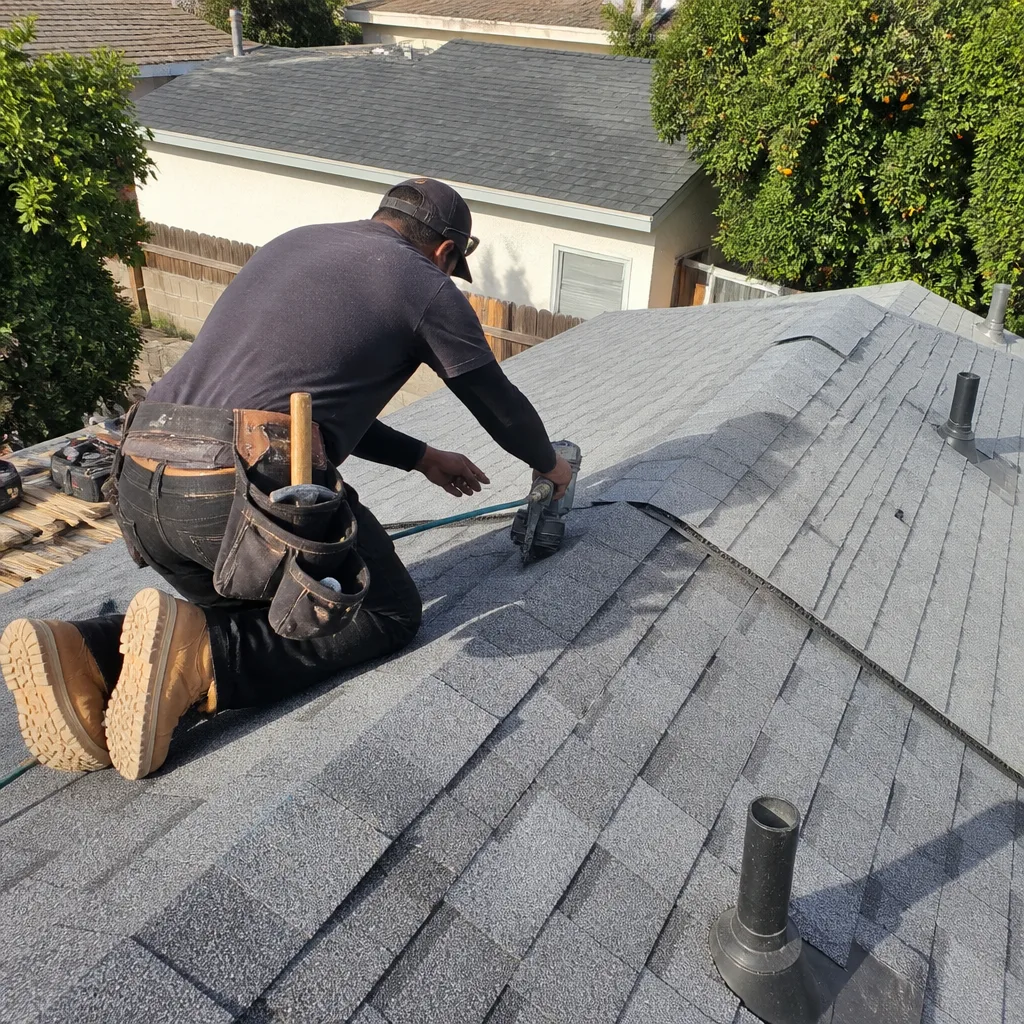
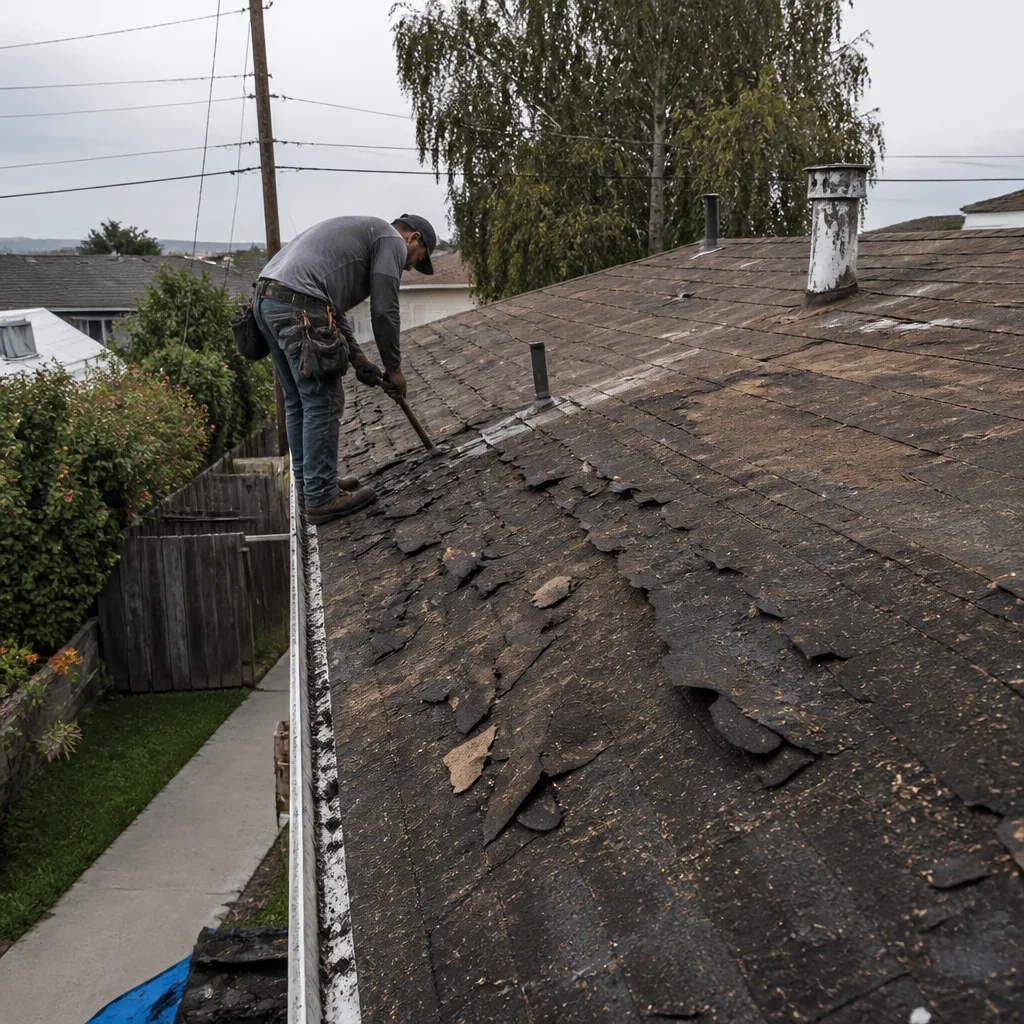
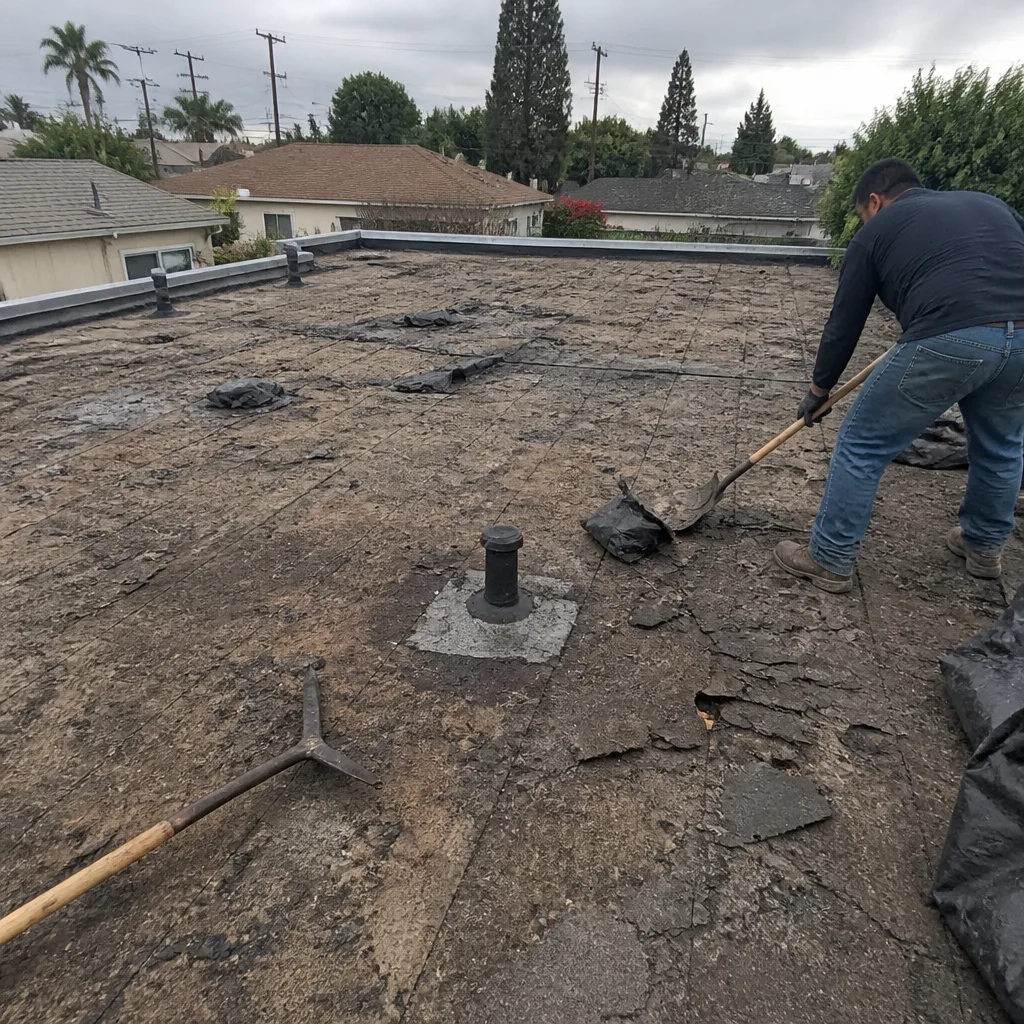
- Sheathing inspection (after tear-off). Once the old roof covering and underlayment are removed, the inspector verifies that the roof deck is sound, that damaged or rotted sheathing has been replaced, that fastener spacing meets code, and that the deck is clean and ready for underlayment. This inspection happens before any new underlayment goes down.
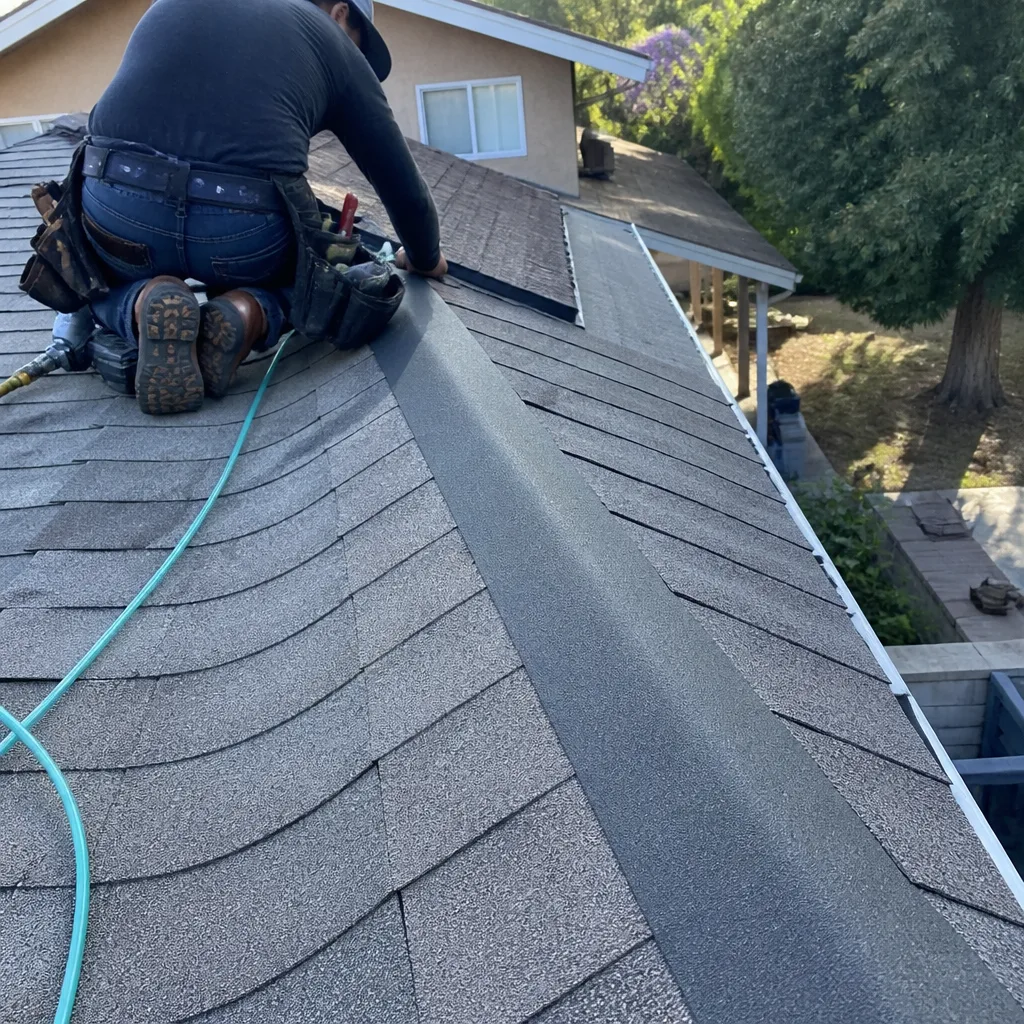
- Underlayment or lath inspection (mid-installation). After the required underlayment is installed, including any high-wind or fire-zone upgrades, the inspector verifies fastener type, overlap, and fastening pattern. This inspection happens before the roof covering is installed, because the underlayment won’t be visible afterward.
- Final inspection (after roof covering installation). The inspector verifies the installed roof covering matches the approved product, checks flashing details, confirms the Title 24 product listing where required, and confirms the roof drainage functions. This is also when any WUI or ember-resistant vent requirements are checked.
The sequence matters because each inspection requires scheduling with the city and having the work stage completed correctly. A contractor who tears off the old roof, installs the new shingles, and then tries to schedule a single inspection will be sent back to square one. The work would have to be partially removed for the sheathing and underlayment inspections to happen. We’ve seen this happen to homeowners who hired out-of-area contractors unfamiliar with California’s staged inspection process.
In Buena Park, inspection scheduling is handled through the city’s building department, typically with a next-day or two-day window once the contractor calls in the request. Delays usually come from incomplete work stages rather than city backlog.
What Fails Most Often at Each Inspection Stage
Inspection failures are predictable. After hundreds of permitted re-roofs in Orange County, the same items cause most failed inspections at each stage.
At the sheathing inspection, the most common failures are:
- Rotted or delaminated sheathing that was not replaced before the inspection was called.
- Improper fastener spacing on existing sheathing, especially on older homes where the original nailing pattern doesn’t meet current code for the new roof covering’s wind rating.
- Debris, staples, or old underlayment remnants left on the deck, which the inspector flags as an inadequate substrate.
- Unaddressed structural damage, such as cracked rafters or sagging sections, that was discovered at tear-off but not disclosed or repaired.
At the underlayment inspection, the most common failures are:
- Incorrect fastener type or length for the underlayment product, especially when a high-wind or fire-zone underlayment specification applies.
- Insufficient overlap at laps or at valleys and penetrations.
- Installing underlayment that doesn’t match the manufacturer’s Class A assembly documentation for the shingle being installed.
- Skipping the inspection entirely and proceeding to shingle installation, which requires removal of the new shingles to expose the underlayment.
At the final inspection, the most common failures are:
- Installing a shingle color or product line that doesn’t match the approved permit submittal, which triggers a Title 24 verification failure.
- Improper flashing at chimneys, skylights, and sidewalls, which is the most frequent final-inspection defect we encounter.
- Missing or incorrect drip edge details at eaves and rakes.
- Drainage issues, such as improper valley configuration or shingle overhang that directs water behind gutters.
None of these failures are mysterious. They happen when a contractor rushes, cuts corners on documentation, or isn’t familiar with the specific inspector’s expectations in the city where the permit was pulled. A contractor who does regular permitted work in Buena Park knows which details the city’s inspectors emphasize.
Unpermitted Roofing Work and Home Sale Disclosures
Here’s the part most roofing guides skip entirely, and it’s the part that most directly affects a homeowner’s financial position. When you sell a home in California, the seller’s disclosure obligations include known unpermitted work. The California Real Estate Transfer Disclosure Statement asks specifically about work done without required permits. A seller who lies on that form is exposed to post-sale litigation. A seller who tells the truth is exposed to the buyer’s price reduction demands or cancellation.
What happens in practice, in order:
- The buyer’s home inspector flags the roof. A newer roof with no permit record on file at the city is a red flag. The inspector notes the discrepancy, and the buyer’s agent requests the permit history.
- The city has no record. The buyer now knows the roof was replaced without permits, which creates two immediate problems: the buyer’s lender may require retroactive permits before closing, and the buyer’s insurance carrier may decline coverage for a roof with unpermitted work.
- Retroactive permitting is painful. The city can require the roof covering to be removed for inspection at the same stages a compliant job would have gone through. That means paying twice for labor that was already paid once, plus permit fees with penalties, plus the delay in escrow.
- Warranty claims become difficult. Most manufacturer warranties require installation in compliance with local building codes. An unpermitted roof gives the manufacturer a documented reason to deny a material defect claim.
The cost difference between a permitted re-roof and an unpermitted one, in permit fees and inspection time, is typically a few hundred dollars and two or three days. The downstream cost of an unpermitted roof at resale is routinely five figures. This is the single strongest argument for insisting on permits, and the reason we treat them as non-negotiable on every Roof Replacement in Buena Park project we scope.
Common Mistakes to Avoid
- Trusting a contractor who says “we don’t need a permit for this.” The contractor doesn’t hold the liability if that’s wrong. The homeowner does. If the scope triggers a permit requirement and the contractor resists pulling one, that’s a signal about how the contractor operates, not about the code.
- Choosing a shingle color before checking Title 24 compliance. We see this repeatedly in Buena Park, where homeowners pick a specific dark color from a brochure and then discover at permit submittal that the color doesn’t meet the 0.20 reflectance threshold. Check the CRRC listing before you fall in love with a color.
- Assuming any Class A shingle works in a fire zone. The Class A rating applies to the assembly, not just the shingle. The underlayment and deck must match the manufacturer’s fire-rated assembly documentation. An inspector can and will fail a final inspection over this mismatch.
- Paying for the full job before inspections pass. Reputable contractors don’t demand full payment before final inspection. Stage your payments so the final installment is due when the final inspection passes and the permit is signed off.
- Not keeping the permit paperwork. The signed permit card and final inspection record are part of your home’s documentation. Store them with your other property records. You’ll need them when you sell.
- Hiring an out-of-area contractor who doesn’t know the city’s process. California codes are state-wide, but city enforcement varies. A contractor who pulls permits in Buena Park routinely is worth the difference in project timeline alone.
- Skipping the inspection to rush the project. Skipping or stalling inspections to keep the job moving is a false economy. The time you save is minutes. The time you spend fixing it later is weeks, and the money is thousands.
When to Call a Professional
Any time a roof replacement, structural repair, or large-section repair is on the table, the permit and inspection conversation should be part of the same discussion as materials and price. If you’re unsure whether your roof’s condition warrants a permit, or whether an existing roof was installed with permits, a professional inspection is the clearest path to an answer. A roof inspection documents condition, identifies whether the existing roof covering matches what’s on record at the city, and gives you a written scope that’s useful for contractor bids. That’s exactly what our Roof Inspection in Buena Park service provides, with no repair commitment attached. Buena Park Roof Repair offers free estimates in Buena Park, and we’ll tell you what your roof actually needs before anyone asks you to sign anything. Call (866) 282-5070 to schedule yours.
Frequently Asked Questions
Yes, a full roof replacement in Buena Park requires a city building permit, and the permit triggers the staged inspection sequence described above. Repairs under roughly 10% of the roof area that don’t involve structural changes generally do not require a permit, but the distinction is scope-based, not dollar-based. If you’re unsure where your project falls, call (866) 282-5070 and we’ll help you determine the right approach before any work starts.
Permit fees for a standard residential re-roof in Orange County cities typically range from $200 to $800 depending on the city, the project valuation, and whether any plan review is triggered. This is a small fraction of the total project cost and a fraction of the cost of retroactive permitting if the work is done without one.
Yes. During the final inspection, the inspector can and often does request documentation showing that the installed roof covering is CRRC-listed and meets the applicable reflectance and emittance thresholds. Installing a product that isn’t listed, or doesn’t match the approved permit submittal, can fail the final inspection until corrected. We confirm Title 24 compliance at material selection, specifically so this doesn’t become a surprise at final inspection.
You must disclose the unpermitted work on the California Real Estate Transfer Disclosure Statement. Creating a false disclosure exposes you to post-sale litigation. An accurate disclosure typically triggers buyer demands for retroactive permits, which can require partial roof removal and re-inspection at the homeowner’s expense. The buyer’s lender may also delay or block the loan until the permit is resolved. The cost of a proper permit at the start is a small fraction of what this costs at resale.
A standard tear-off and re-roof with a normal inspection sequence typically takes one to two weeks from start to final sign-off in Buena Park, depending on weather and scheduling. Each inspection visit is usually scheduled within one to two days of the contractor calling it in, but the overall timeline depends on completing each work stage correctly the first time. Failed inspections add days and sometimes require rework that adds more.
In many cases, yes. Matching replacement sections to existing roofs is one of the reasons we carry products from seven major manufacturers, including CertainTeed, Owens Corning, IKO, and Atlas. Having access to multiple brands means we can identify the existing product and find the closest available match rather than forcing a mismatched section or an unnecessary full replacement. See our Roof Repair in Buena Park page for how we approach partial repairs.
The Bottom Line
Roofing permits in California aren’t optional paperwork. They’re the mechanism that ensures your roof meets energy code, fire-zone material standards, and structural requirements, and they’re the documentation that protects your home’s resale value and your manufacturer warranty. The permit and inspection process adds a few hundred dollars and a few days to a project, while skipping it can add five figures and a failed escrow later. Buena Park homeowners planning any roof work should start by determining where their project falls on the permit threshold, then choose materials that comply with Title 24 and any local fire-zone rules from the start. If you’d like an honest assessment of your roof’s condition and what it needs, call Buena Park Roof Repair at (866) 282-5070 for a free estimate. We’ll tell you what your roof actually needs, and we’ll handle the permit and inspection process from start to sign-off.
Written by the team at Buena Park Roof Repair, serving Buena Park since 2018.
See the difference
 Before
 After
 Before
 After
 Before
 After